An Hour with JB Homekills in Northland

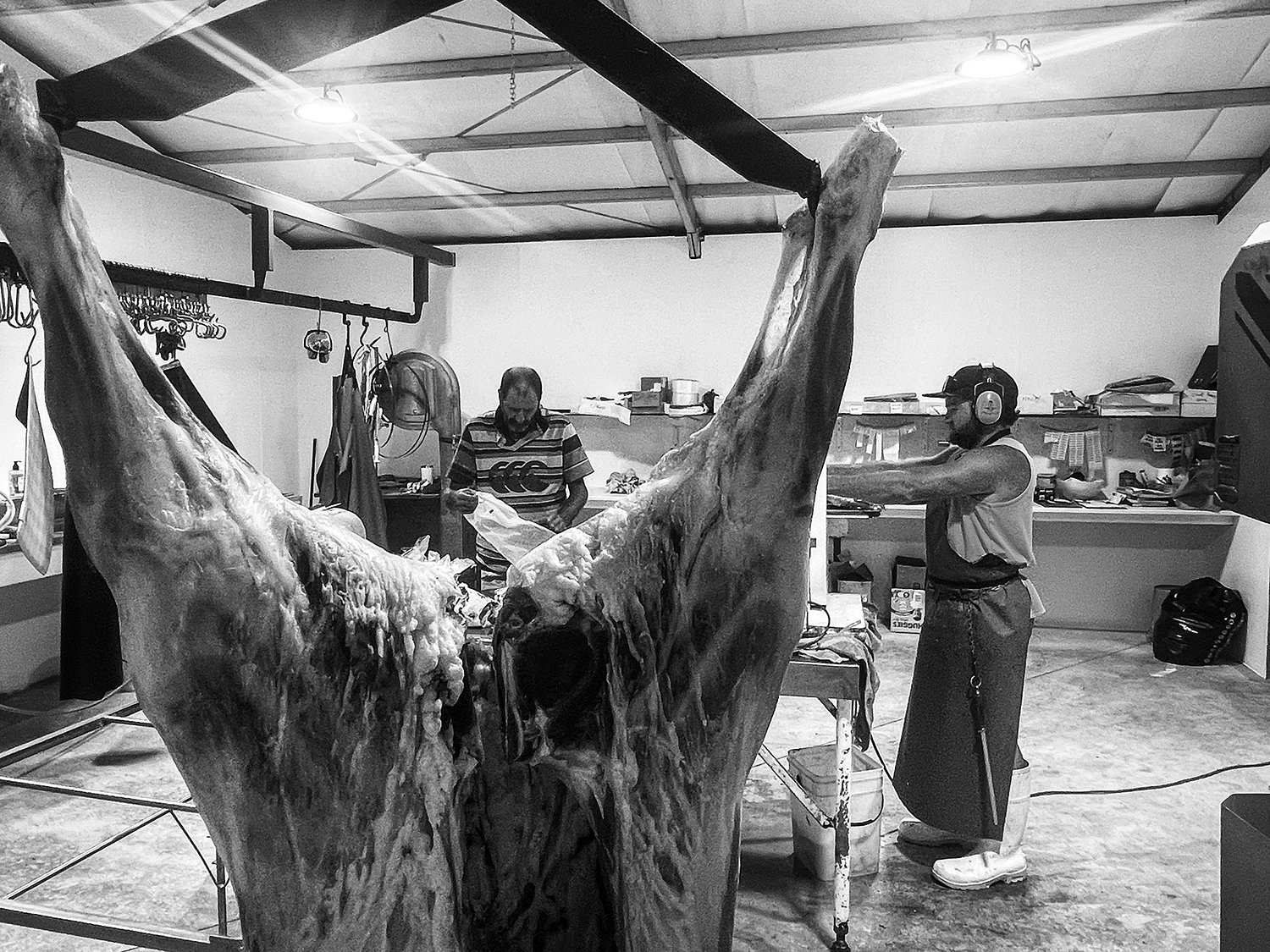
There’s something deeply honest about rural New Zealand that doesn’t always translate through a camera lens, but during the short time I spent with JB Homekills in Northland, that authenticity was unmistakable. I arrived one evening with my brother to have two sheep carcases processed, and from the moment we arrived, the experience felt calm, professional, and grounded in genuine care.

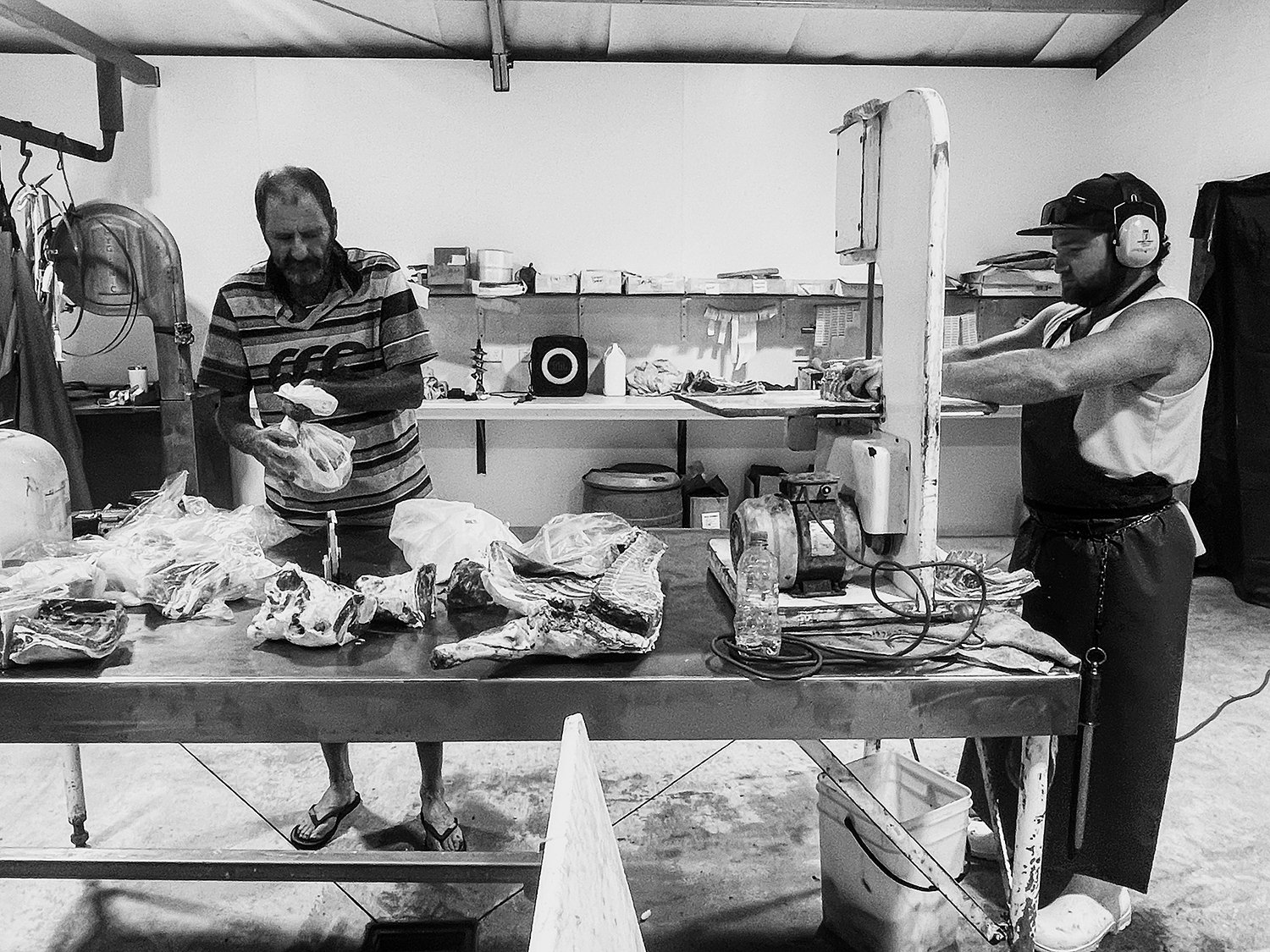
What struck me immediately was how efficient and relaxed the process was — no fuss, no wasted movement, just quiet confidence from a local homekill operator who clearly knows his craft. Despite JB Homekills being just over six months in business, there was no sense of hesitation or learning on the job. As a photographer, I’m always tuned into rhythm and flow, and watching Jamie Desmond work felt much like observing a well-rehearsed craft refined through hands-on experience.

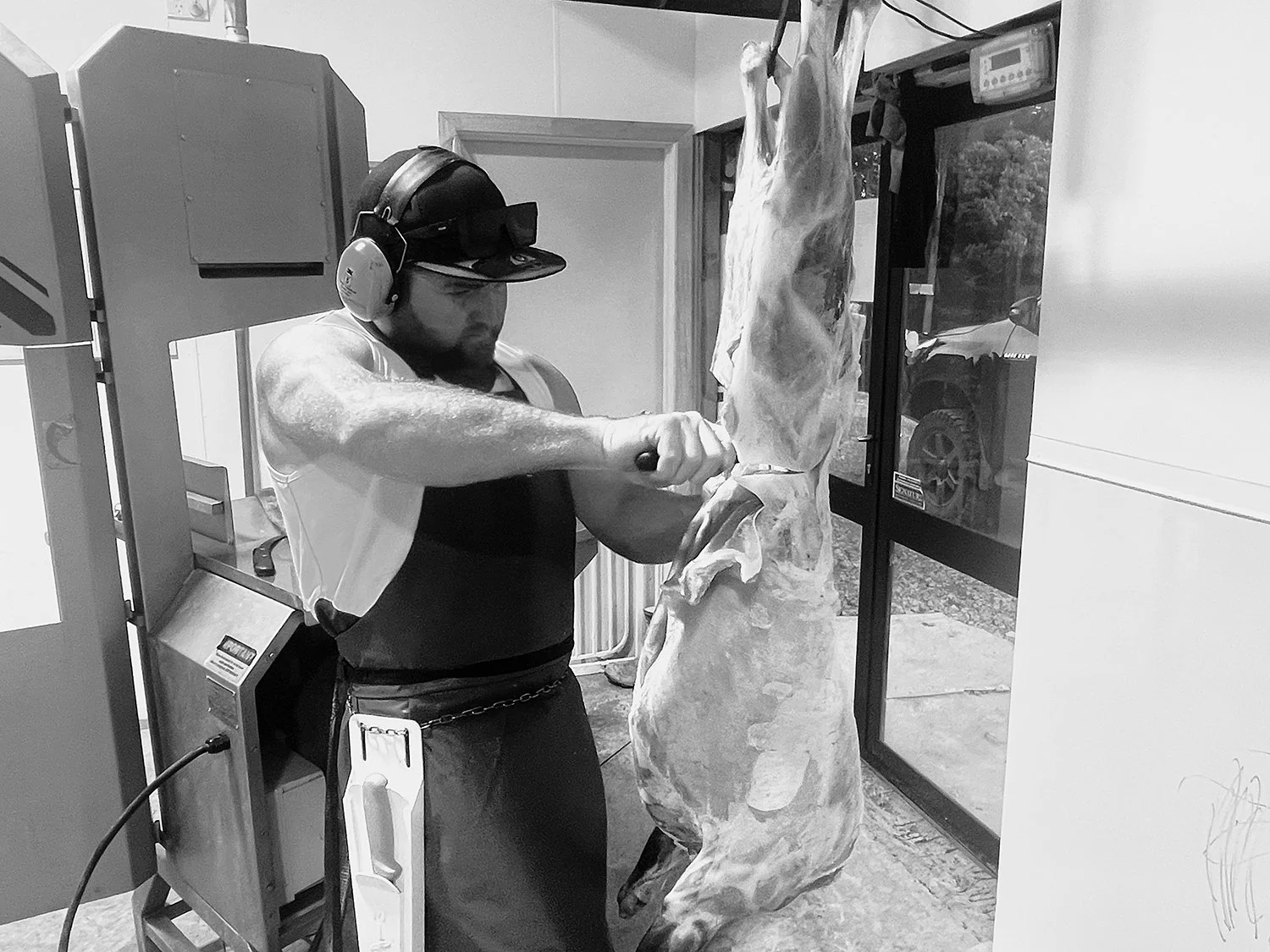
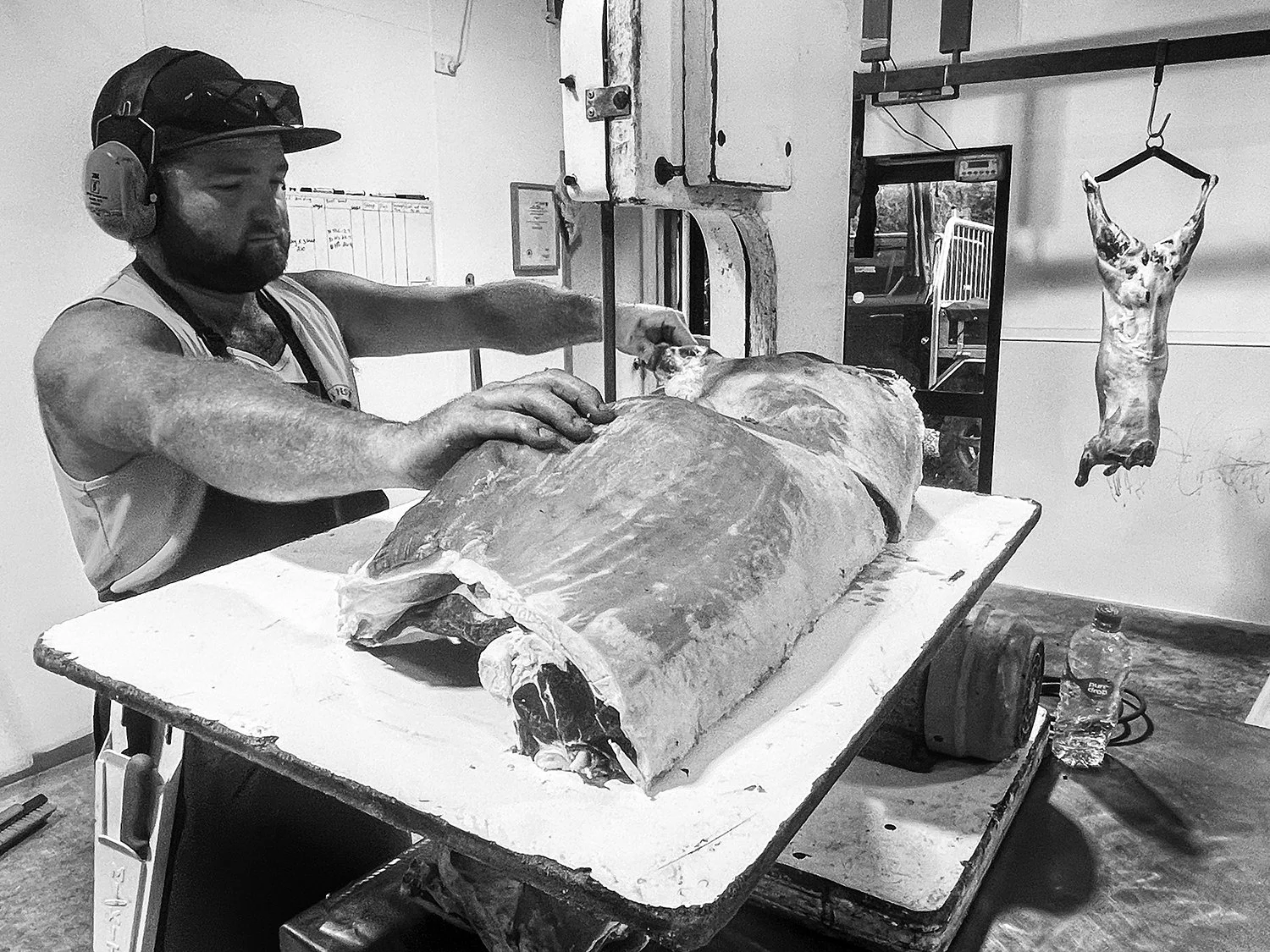
Every movement was intentional, from breaking down the sheep to preparing each cut. The carcases were processed efficiently, with care and attention given to every stage of the job. This wasn’t about rushing — it was about doing the work properly.

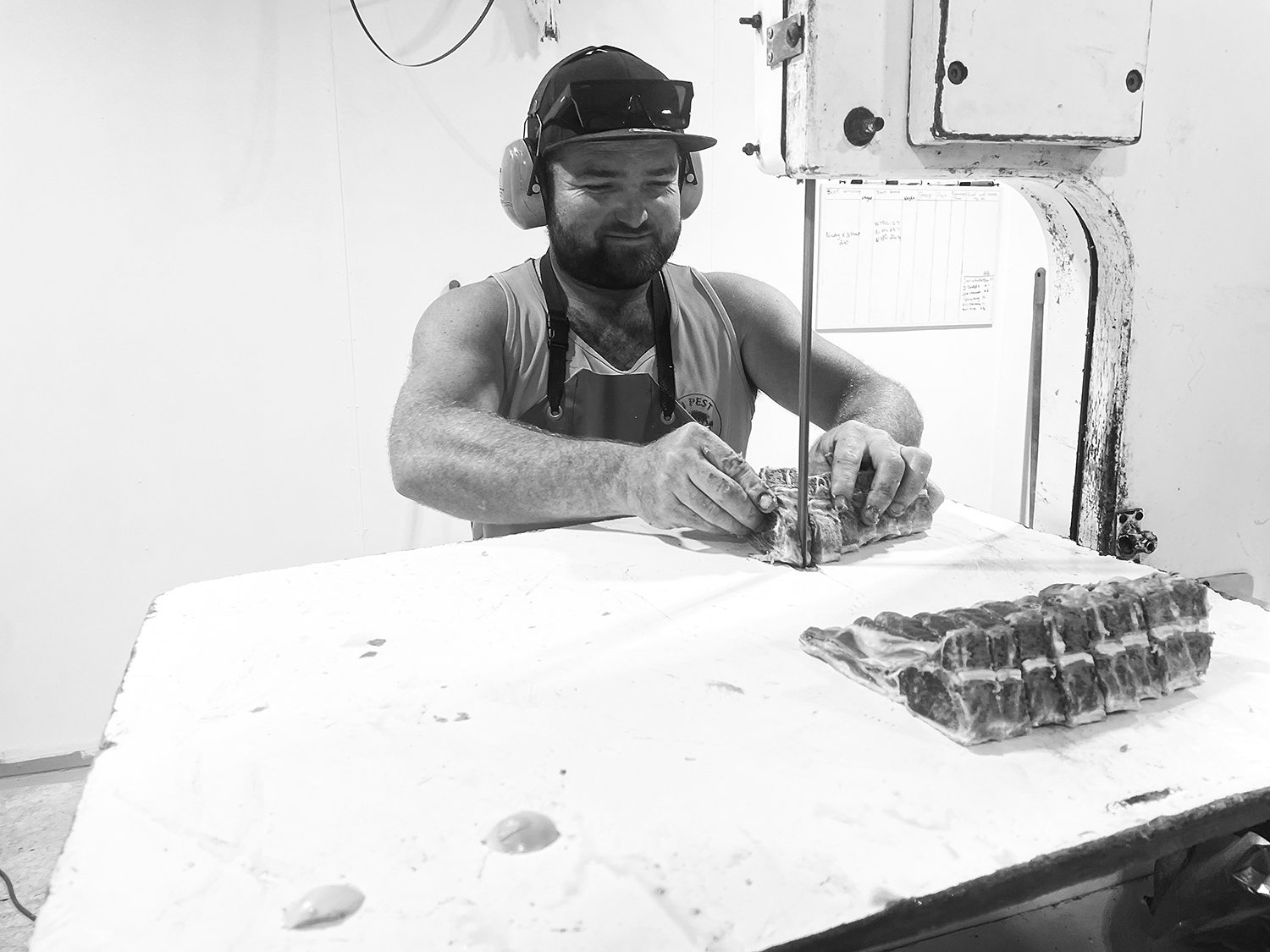
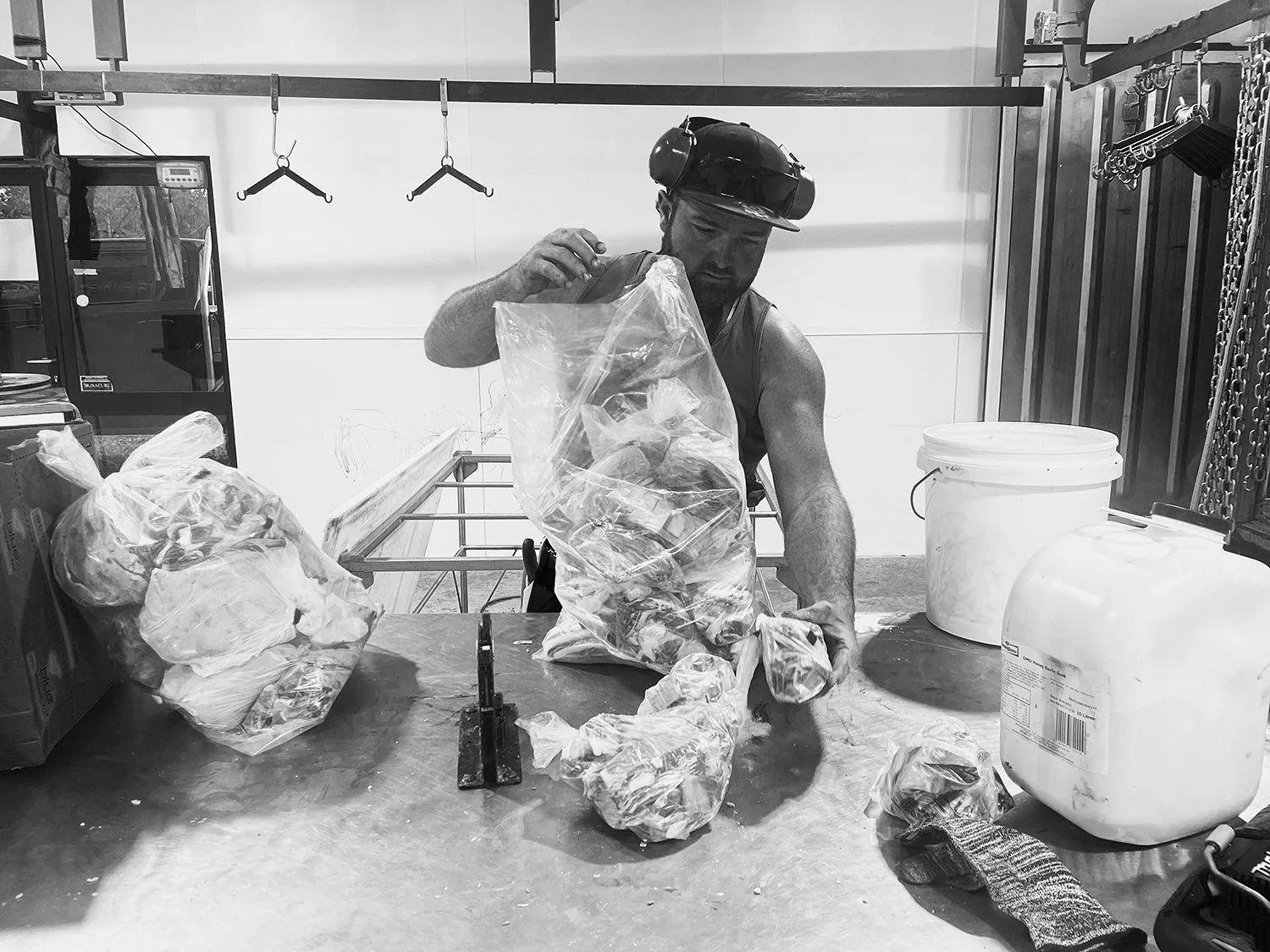
Each piece of meat was handled carefully, trimmed thoughtfully, and packaged neatly, ready for the freezer. This was food prepared not for supermarket shelves, but for people who value knowing exactly where their food comes from. What stayed with me most wasn’t just the speed of the process, but the personal nature of it.

JB Homekill services in Northland is built on trust, connection, and respect — for the animal, the land, and the families being fed. Standing behind the camera that evening, I was reminded that homekill is more than a service; it’s a tradition deeply rooted in rural New Zealand life.

If you’re looking for a reliable, professional homekill service in Northland, contact Jamie Desmond at JB Homekills.

📞 Phone: 021 02445133
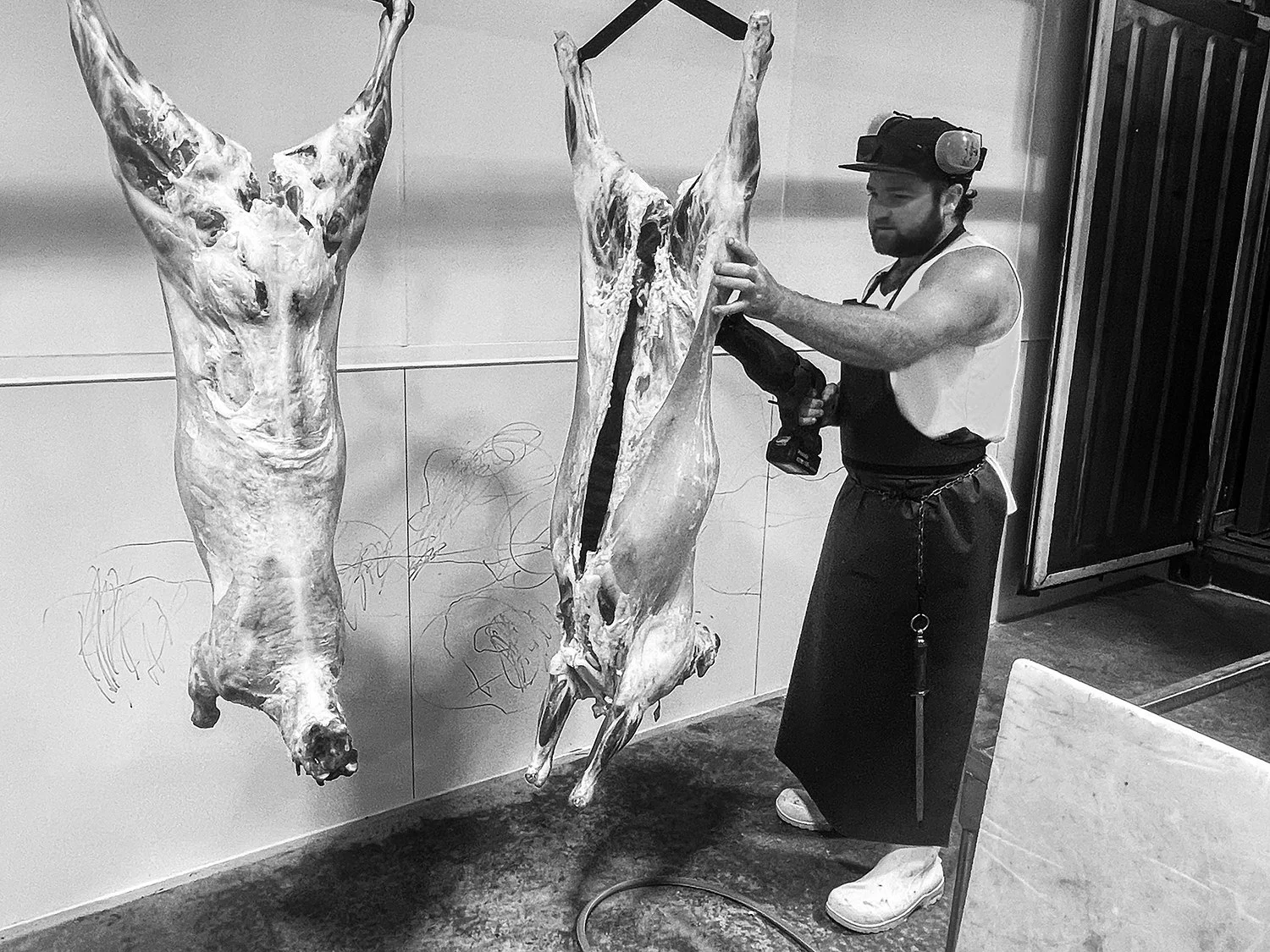
butcher cuting a sheep carcase with a sabre saw
Sheep being butched in a home kill business
Butcher cutting a sheep carcase
Butcher cutting a sheep carcase with a band saw
Butcher cutting chops from a sheep carcase with a band saw
Butcher and a man packaging chops from a sheep carcase
Butcher packaging a sheep carcase

Fabulous Fungi

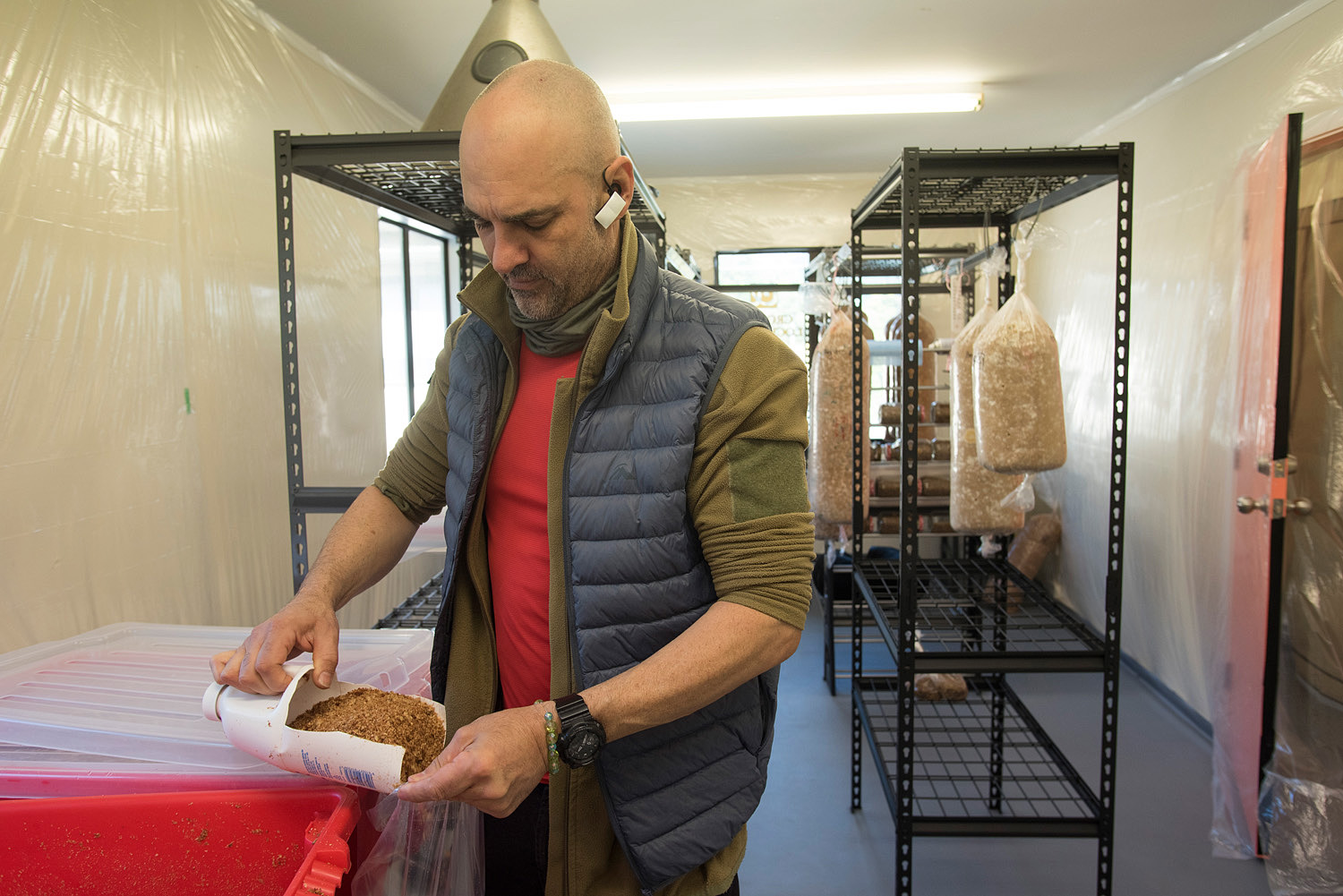
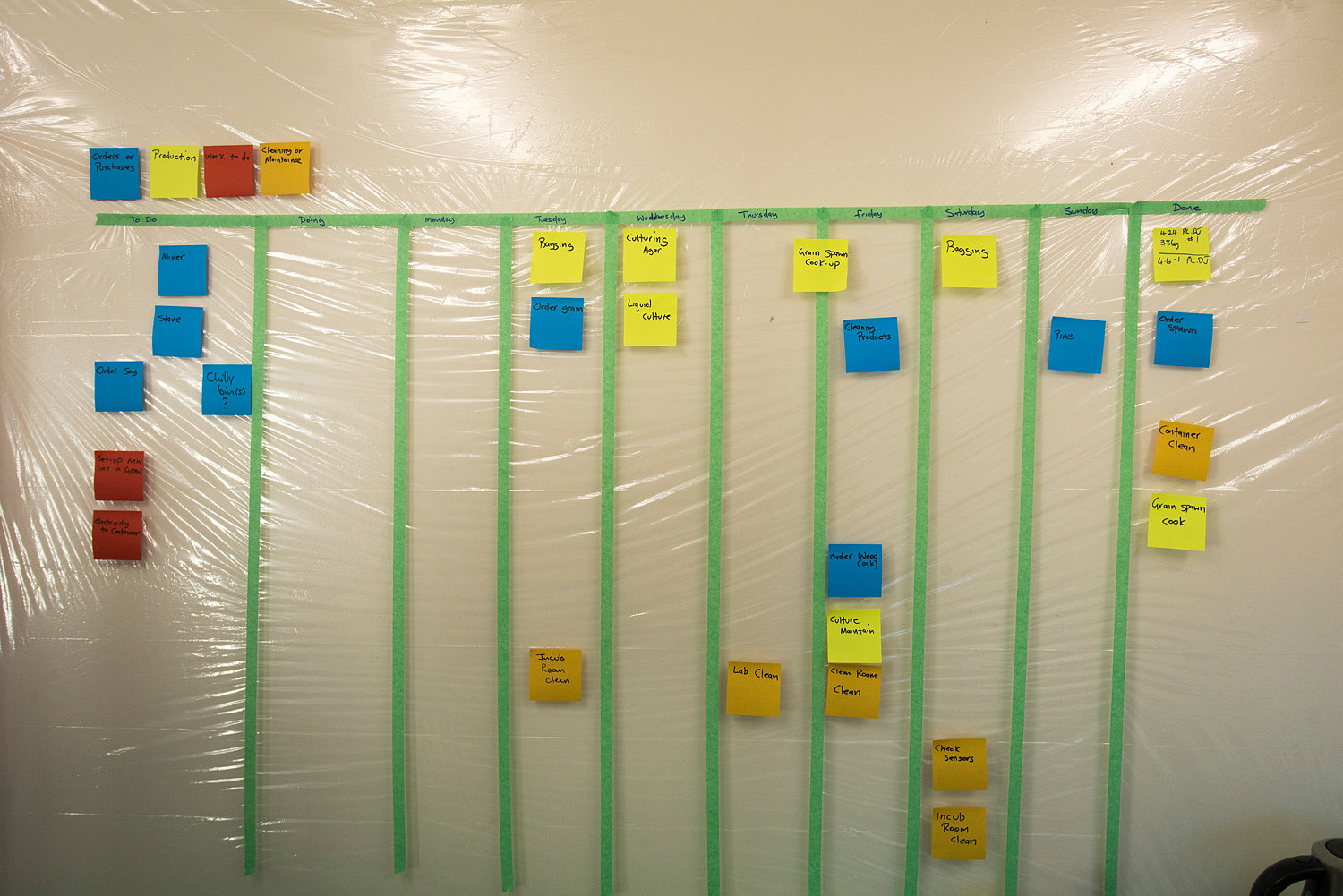
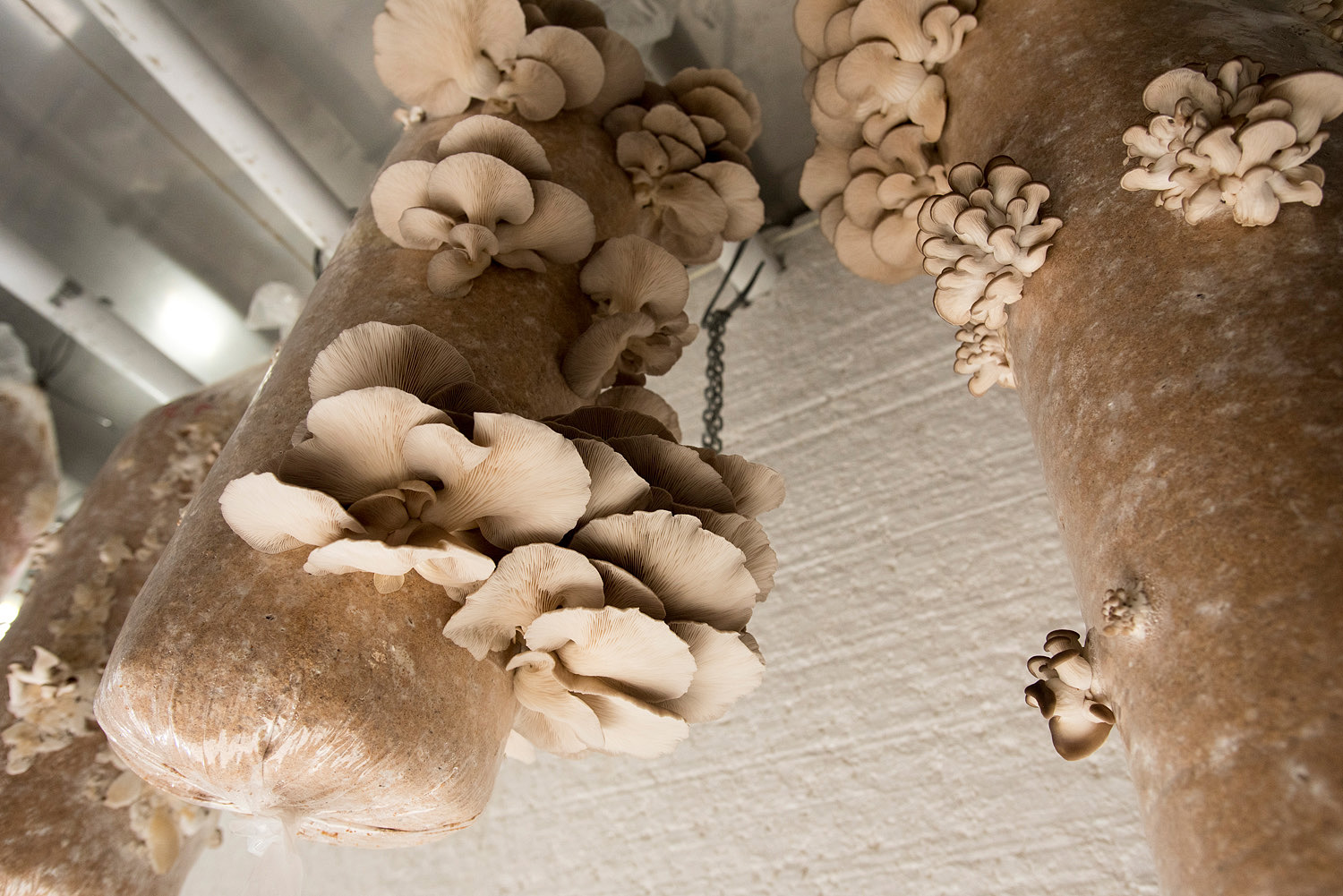
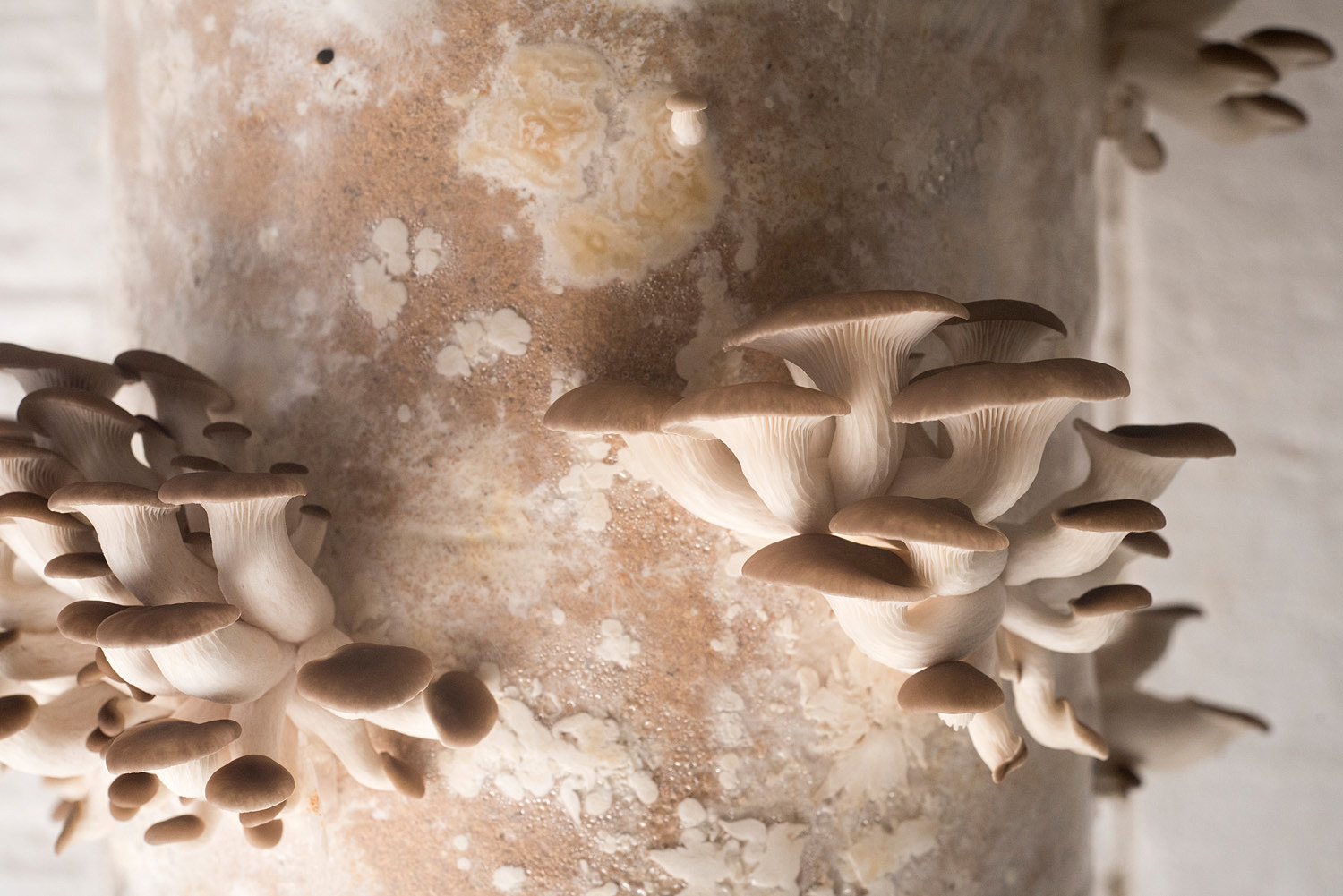
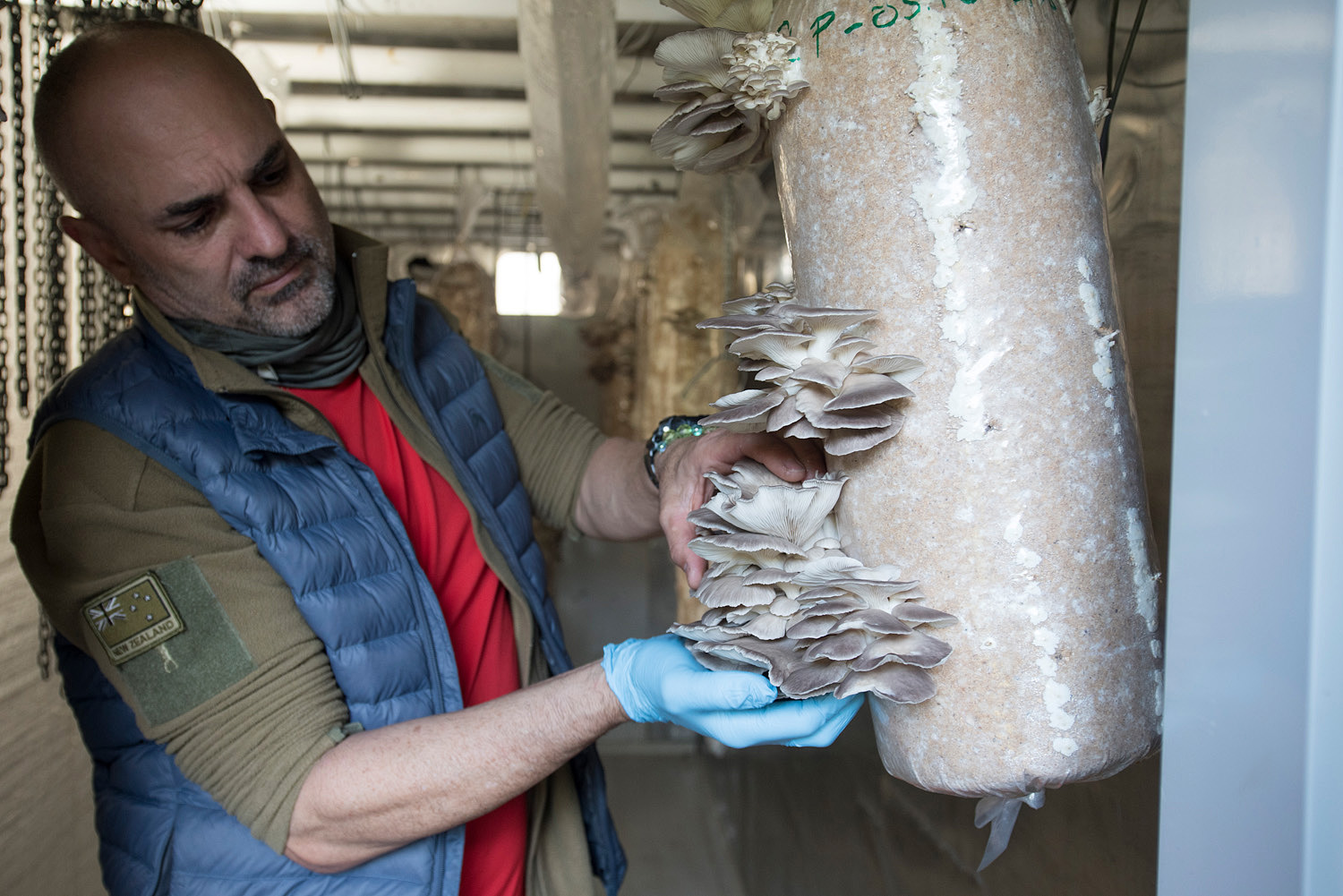
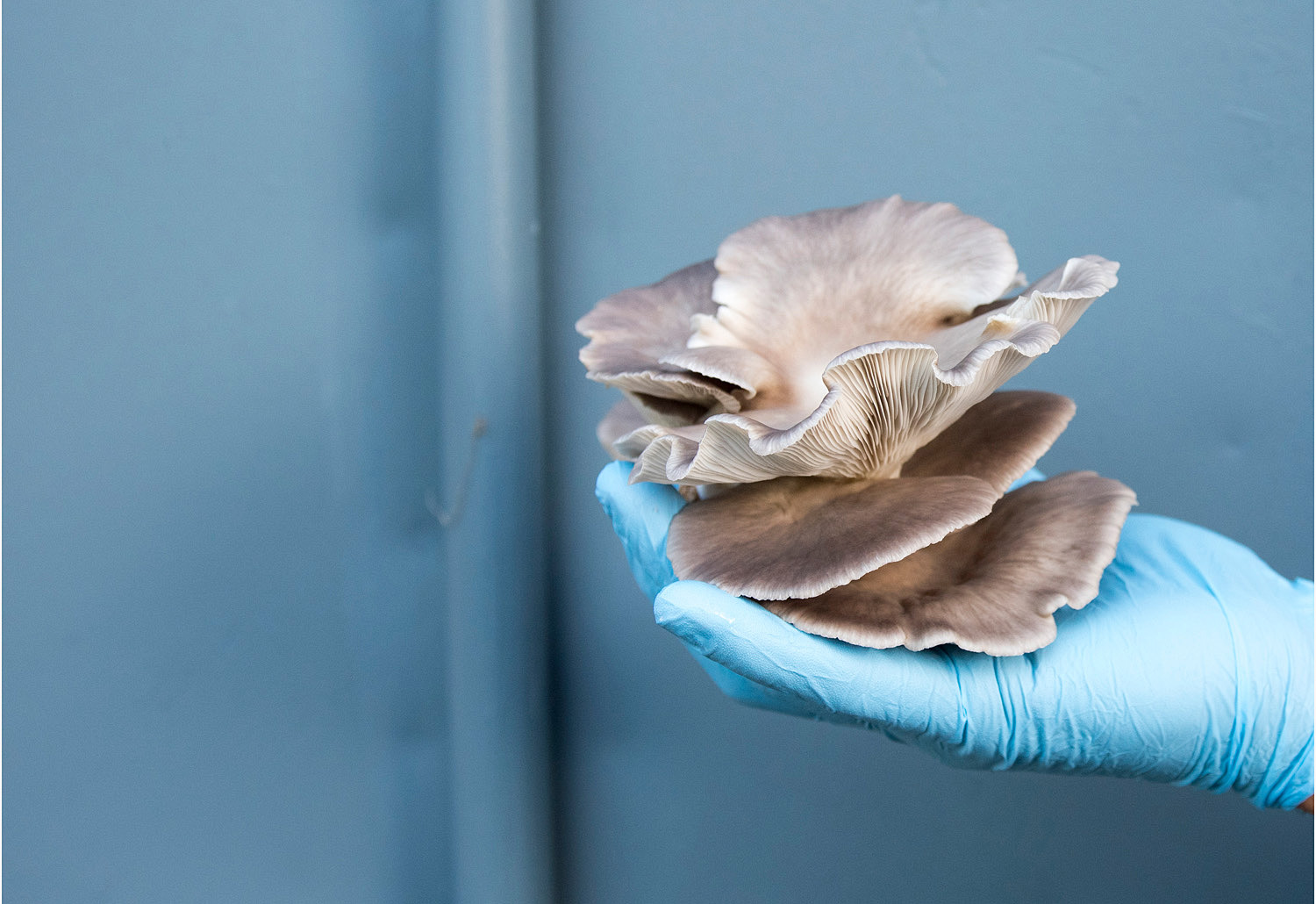
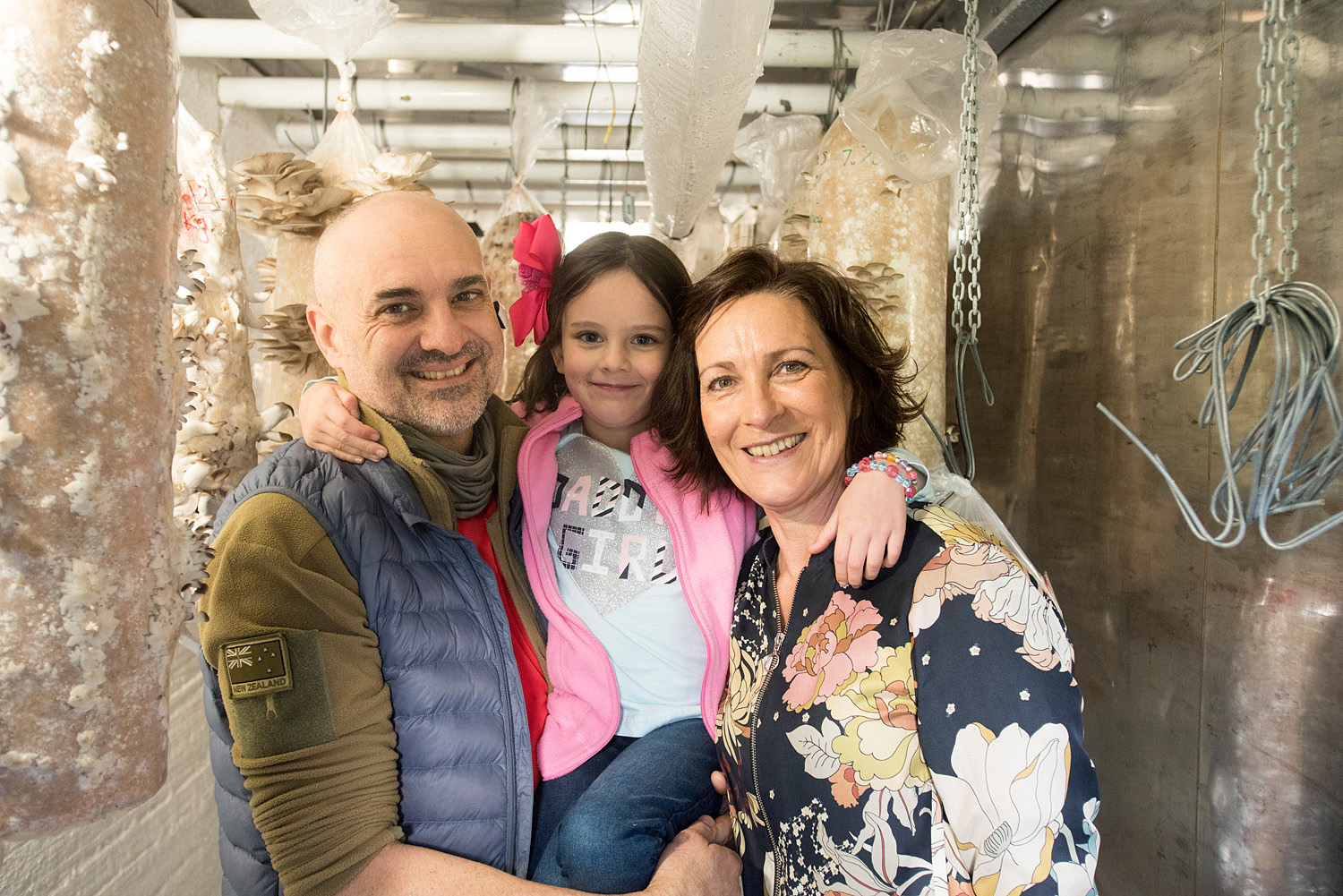
The fragile beauty of gourmet mushrooms is on display in a container parked up in Paraparaumu. Mushrooms are high in Vitamin B and D and also have high protein, making them a valuable food source for vegans and vegetarians. From Lindale Village, Jude Horrill and Brent Williams have begun harvesting phoenix, oyster and shiitake mushrooms under the name Lindale Gourmet Mushrooms. The operation currently produces 20Kg per week but a second container will allow the business to scale up to 50-60kg by August 2018. The couple are hoping to supply seven top end restaurants and has already signed on Wellington’s Ortega Fish Shack. The mushrooms are very popular at Te Horo and Paraparaumu markets and will soon be available at Wellington’s Harbour Side market each Sunday.

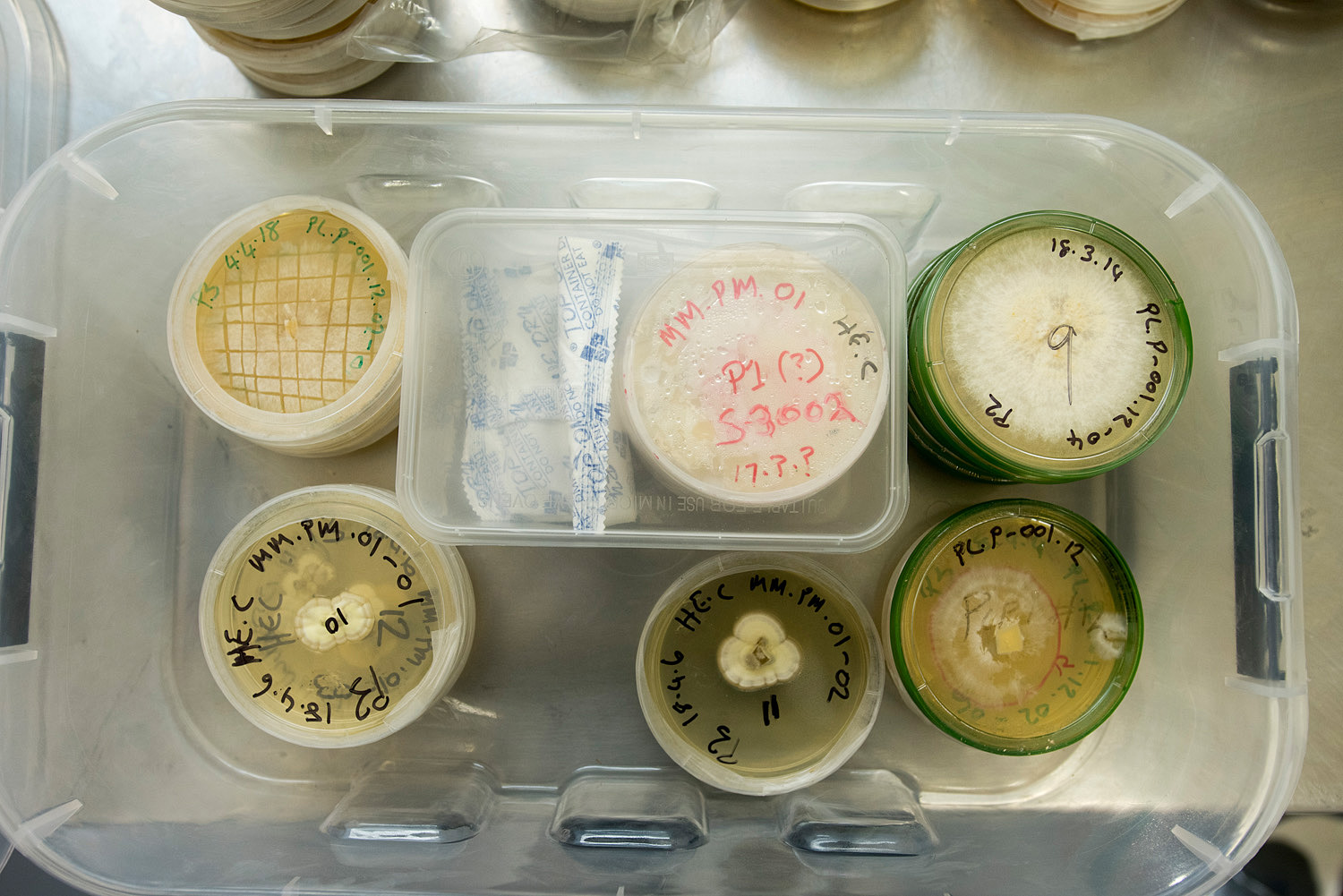
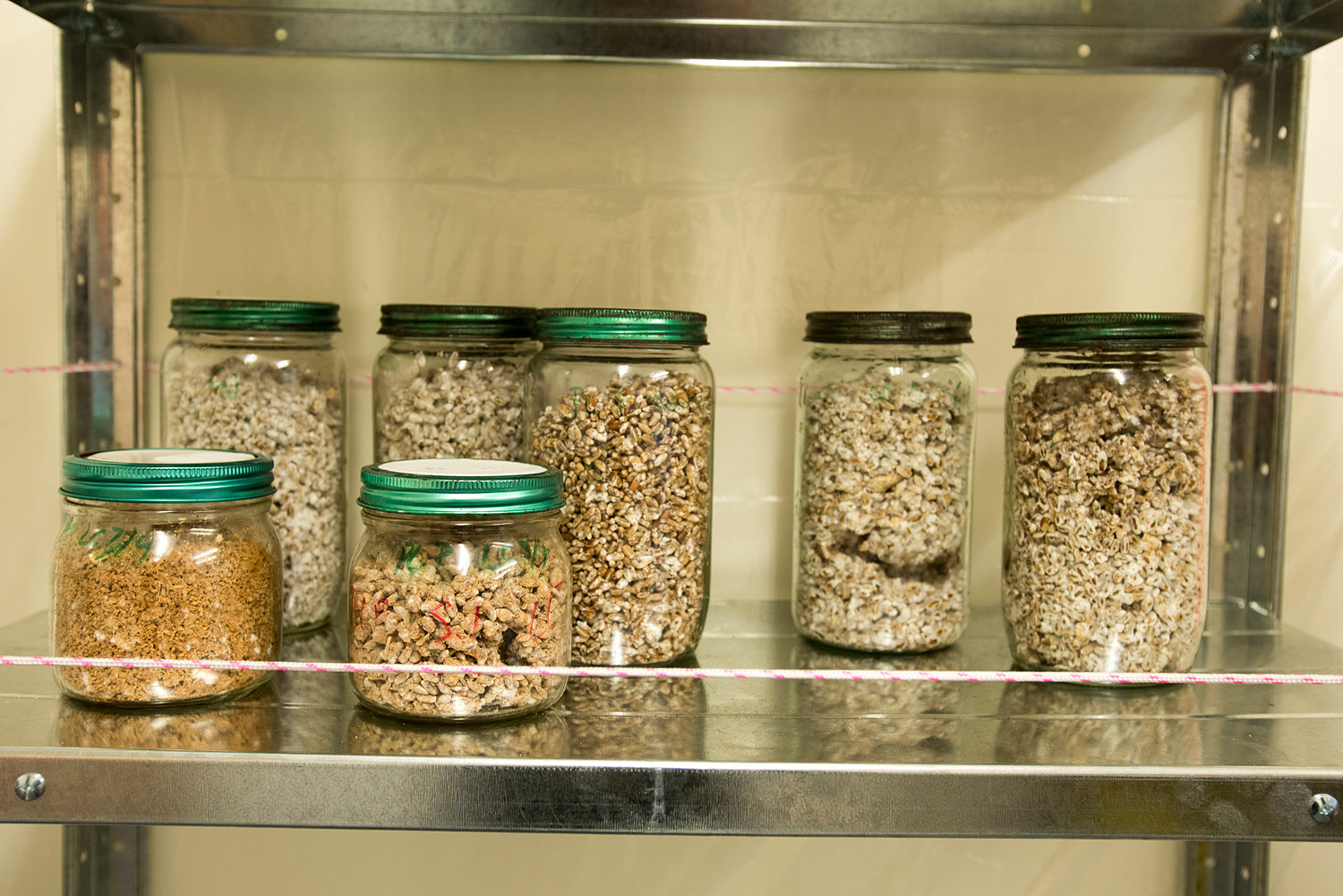
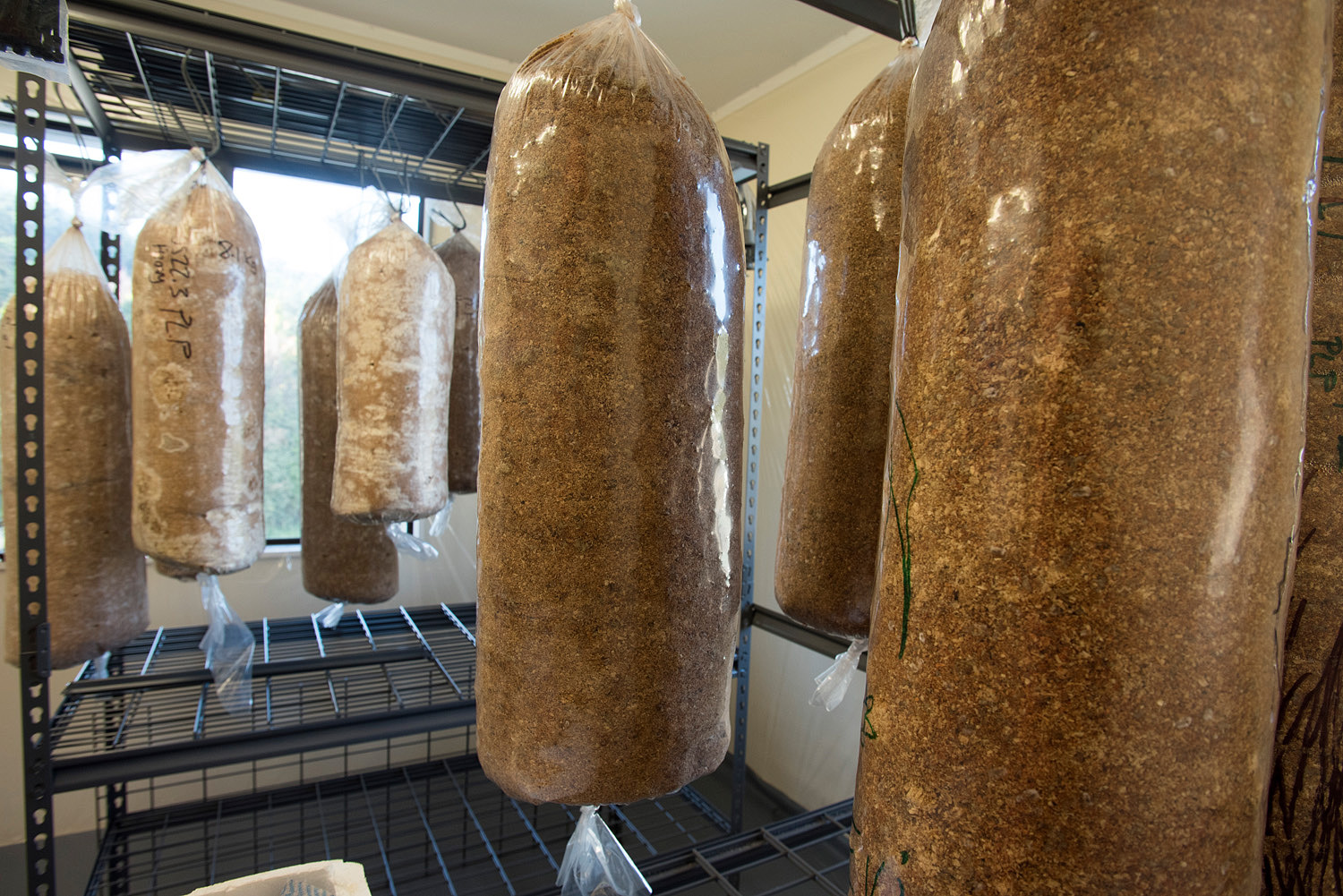
Mushrooms start life in a petri dish as mycelium before being transferred into jars of organic rye grain. Once the grain has been colonised by the mycelium it is transferred into bags containing oak and soy hull pellets. The mycelium is fooled into thinking the bags are oak trees and grows outward towards oxygen through tiny pin pricks in the bags. The bags are hung in a temperature and humidity controlled container, where the autumn like conditions cause the mushrooms to fruit.  From the petri dish it takes about 10 weeks until harvest. For every kilo of dry substrate (the oak and soy) the operation presently produces 1.1kg of mushrooms and Williams thinks 1.5kg is possible. The bags can produce up to three harvests before the substrate is recycled into compost.

Lindale Gourmet Mushrooms is aiming to be sustainable and off grid and production has exceeded expectations.

Buying Local Food | Murray Lloyd Photograph

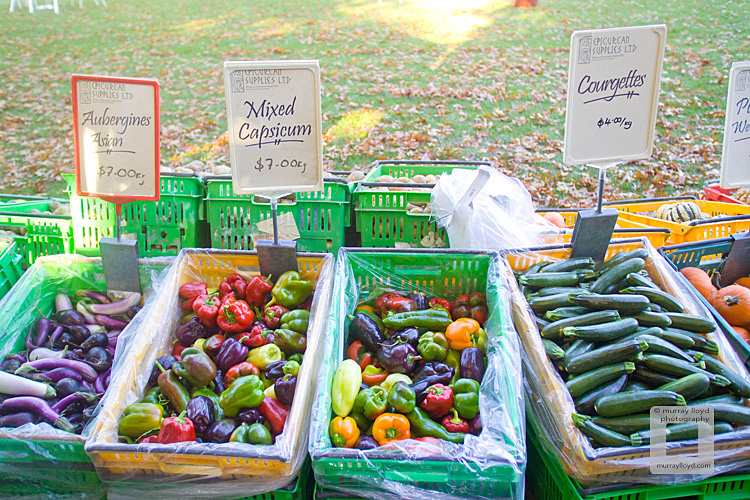
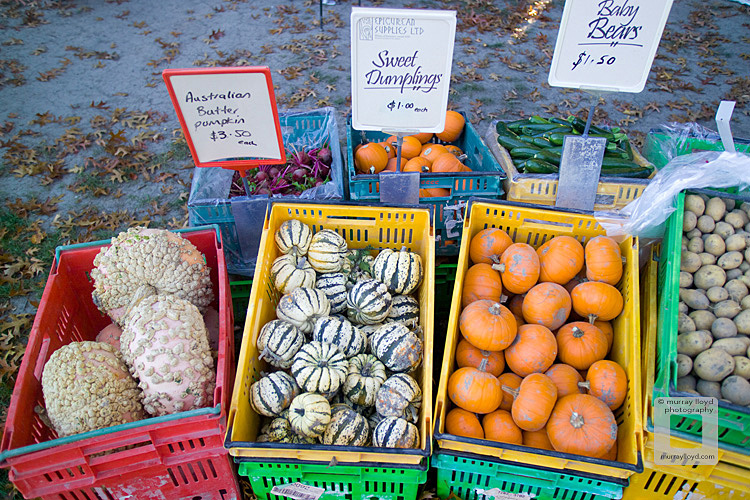
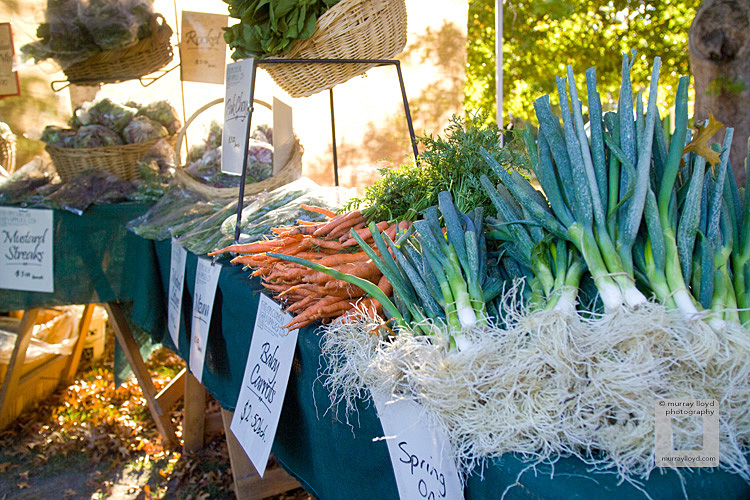
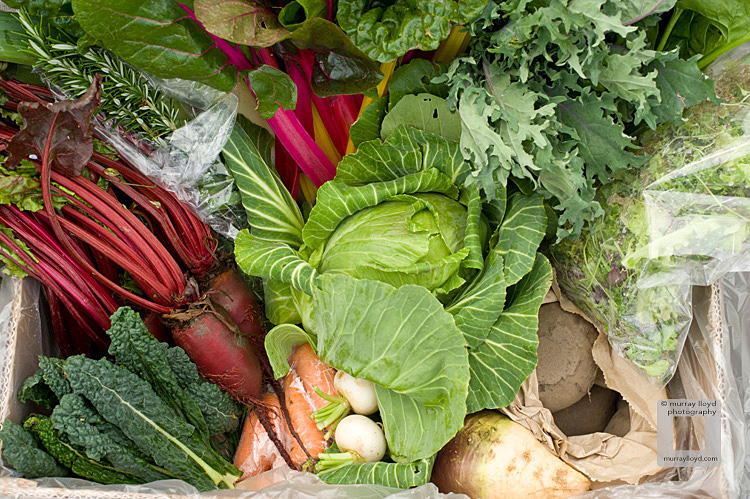
The markets will be crammed with lovely fresh produce now spring has arrived and in NZ we can find locally produced food easily. Not so elsewhere.

In Britain, a local government report said a quarter of food could not be verified as local in one county. In North Wales only half the meat sold as Welsh lamb was found to be Welsh and in an English restaurant "Hampshire spring lamb" was sold which was actually from New Zealand.

In Canada the government have changed the criteria on what constitutes local. The government say the food just has to come from within the same province to be called local. In Canada this could mean a 1500km journey. Previously a 50km radius was deemed local.  Here is a funny take on local food.

Oritain is a New Zealand company based in Dunedin specialising in food verification. Their mission statement states Oritain can independently and scientifically verify the origin of food products to a forensic standard. The consumers in Canada and Britain would clearly benefit from their services.