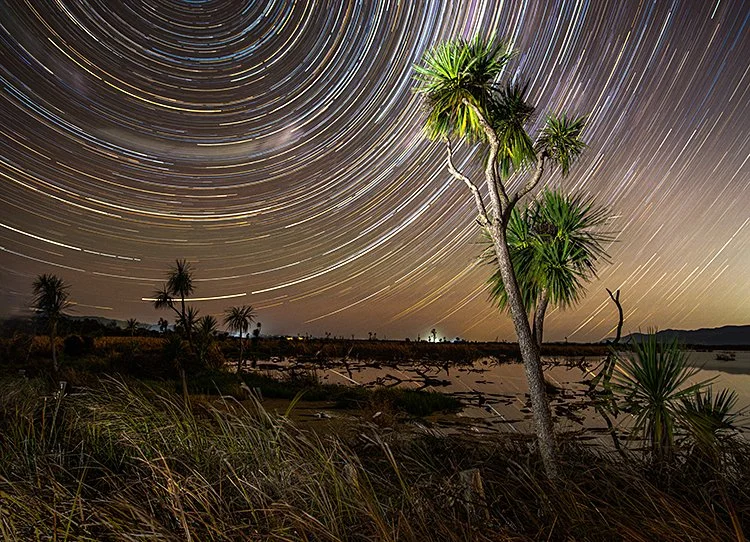
Astrophotography in and around Wellington
From Political Landscapes to the Stars: My Journey into Astrophotography
Astrophotography wasn’t something I ever thought I’d explore. My work has always had a strong political and cultural undercurrent—projects that examined the ways humans shape and impact the environment, or, in the case of my Scenes in Maoriland exhibition, explored contemporary Māori sites. While landscapes have appeared in my images, they’ve never been about beauty for beauty’s sake.
That changed after I stumbled across several blogs and YouTube videos dedicated to capturing the night sky. There was something captivating about the blend of science, patience, and sheer wonder in those images. I found myself drawn into a new challenge—one where beauty itself could take centre stage.
Creating the Images
For this series, I worked with a Nikon D750 and a 20–35mm f/2.8 lens, shooting at either f/5.6 or f/4 with ISO settings between 100 and 800. Each final image is built from a series of 4–6-minute exposures.
To add depth and narrative, I sometimes used an off-camera flash during the shoot, carefully placing light to guide the viewer’s eye and enrich the scene’s story. The post-production process involved assembling the multiple exposures with Starstax free software for focus stacking and then refining the results in Adobe Photoshop—mainly to remove distracting light trails left by passing planes or satellites.
A Shift in Perspective
This project marks a departure from my usual practice. Instead of using the landscape as a site for critique or commentary, I approached it as a stage for the cosmos—a place where stillness, beauty, and vastness could speak for themselves.
Astrophotography has taught me to slow down, to wait for the right light, and to see familiar landscapes transformed under the stars. And perhaps most importantly, it’s reminded me that beauty, in itself, can be a powerful subject.
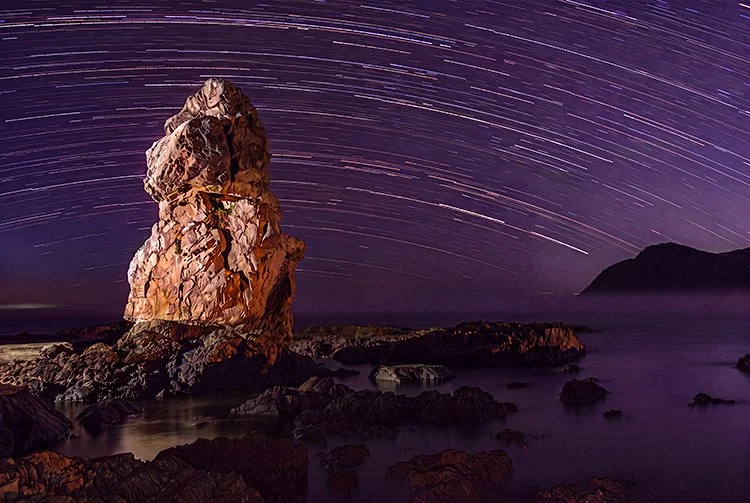
Makara rock
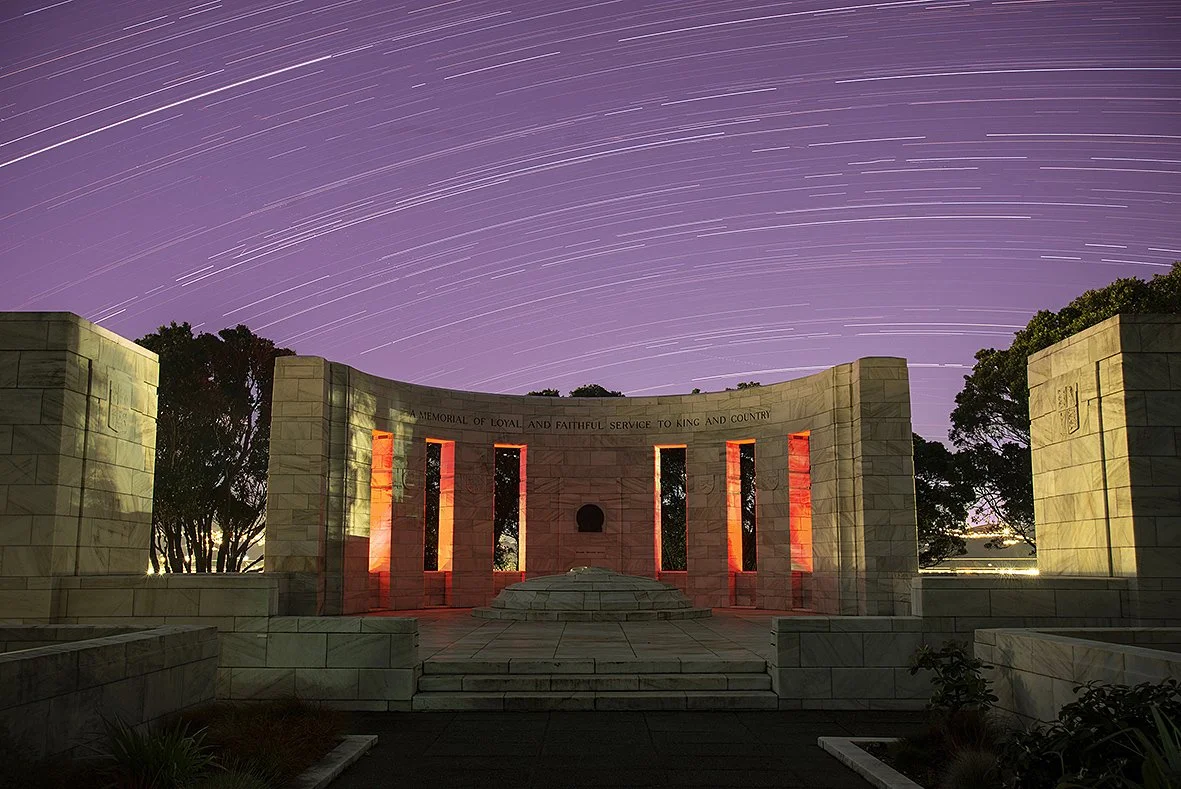
Massey Memorial at night
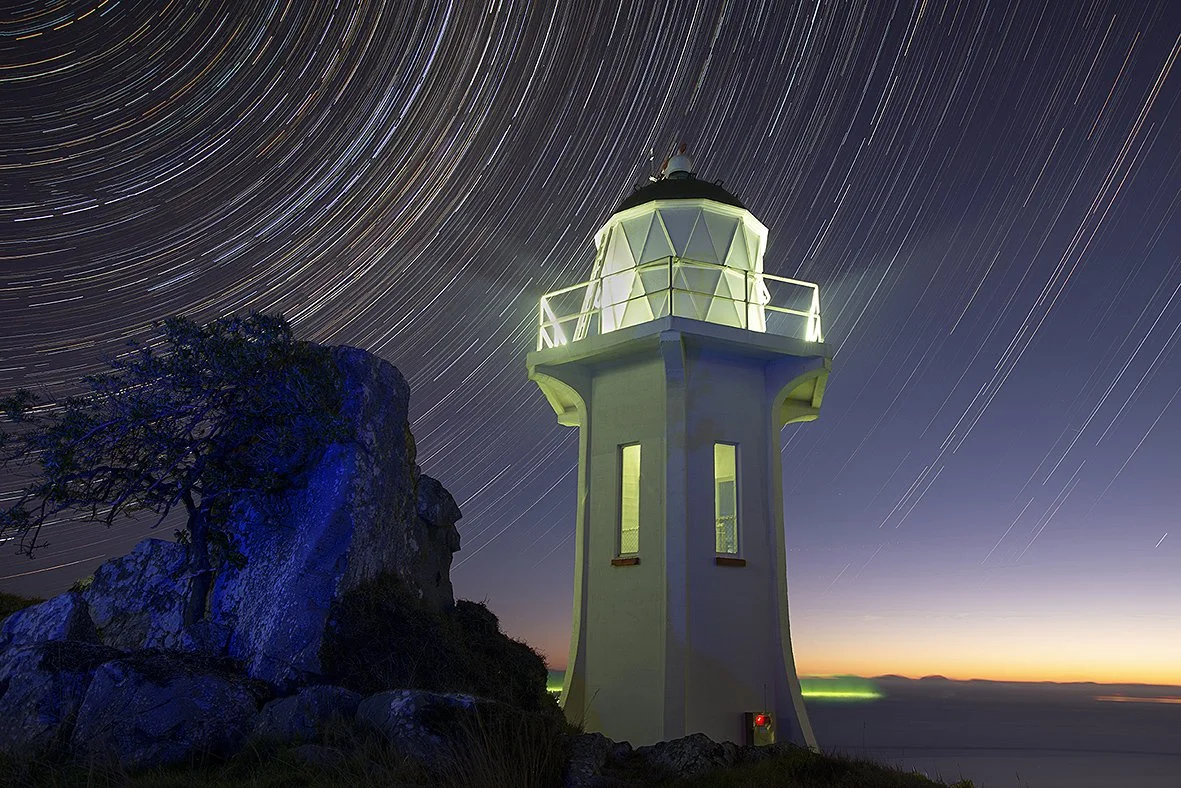
Baring head lighthouse
Fabulous Fungi
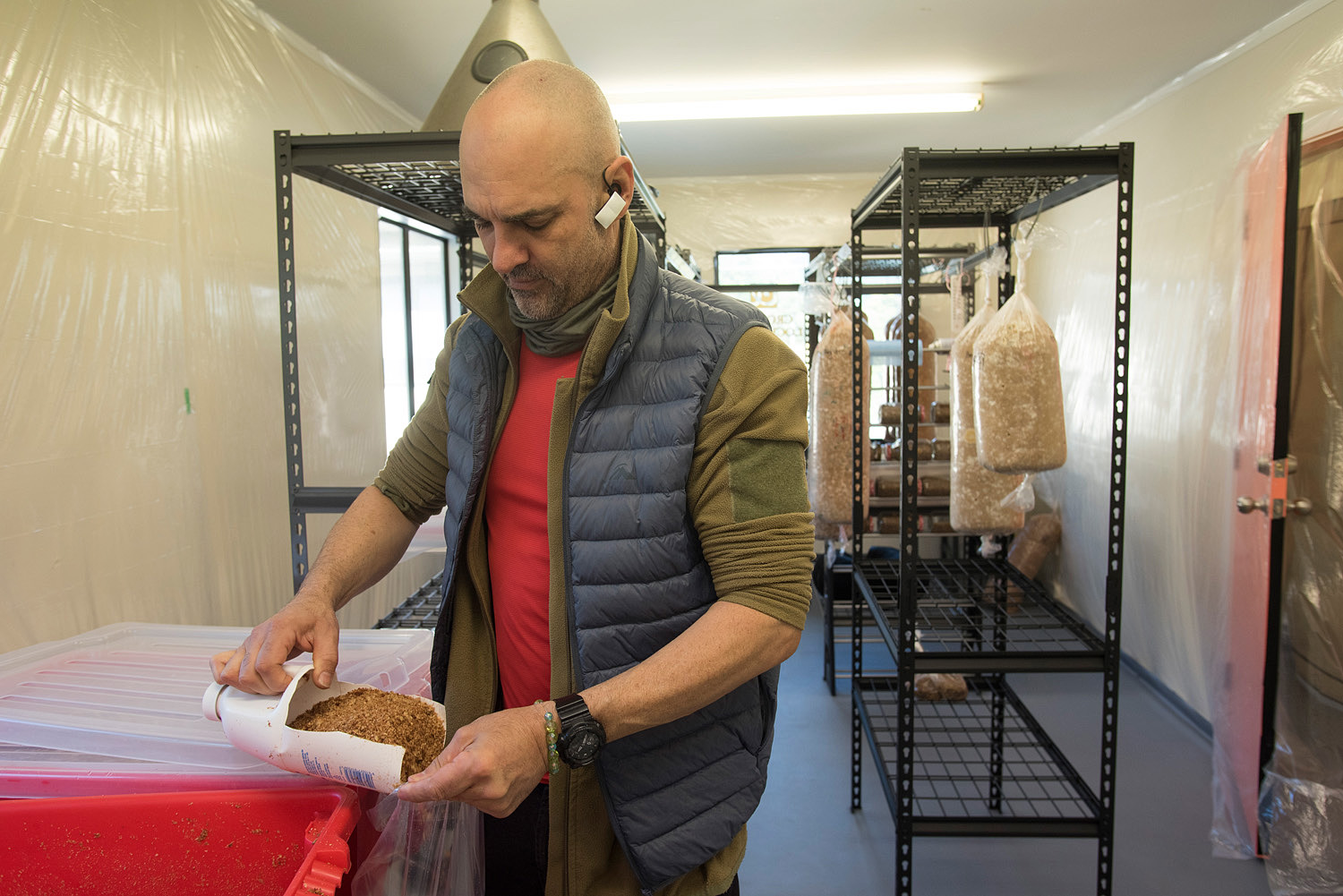
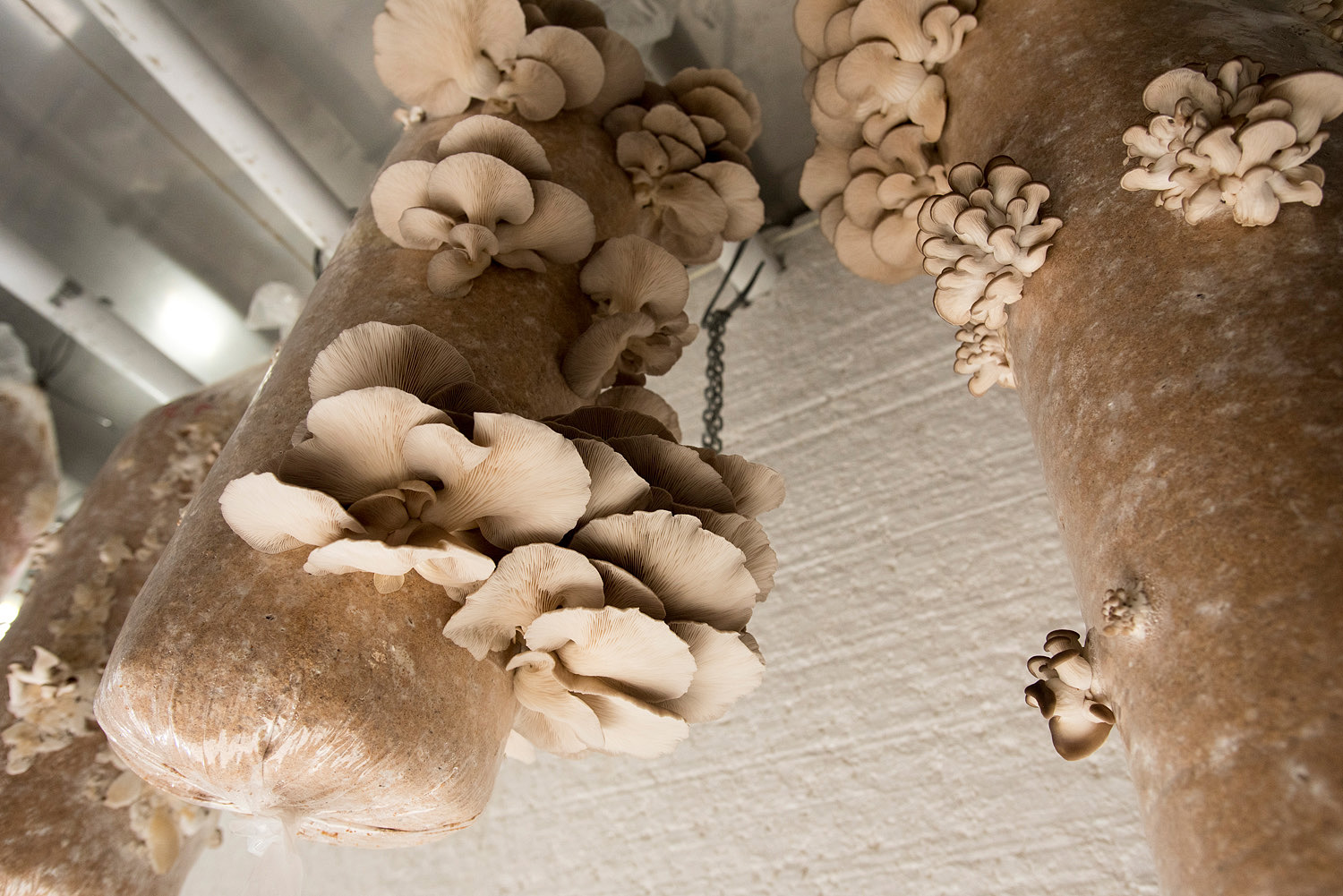
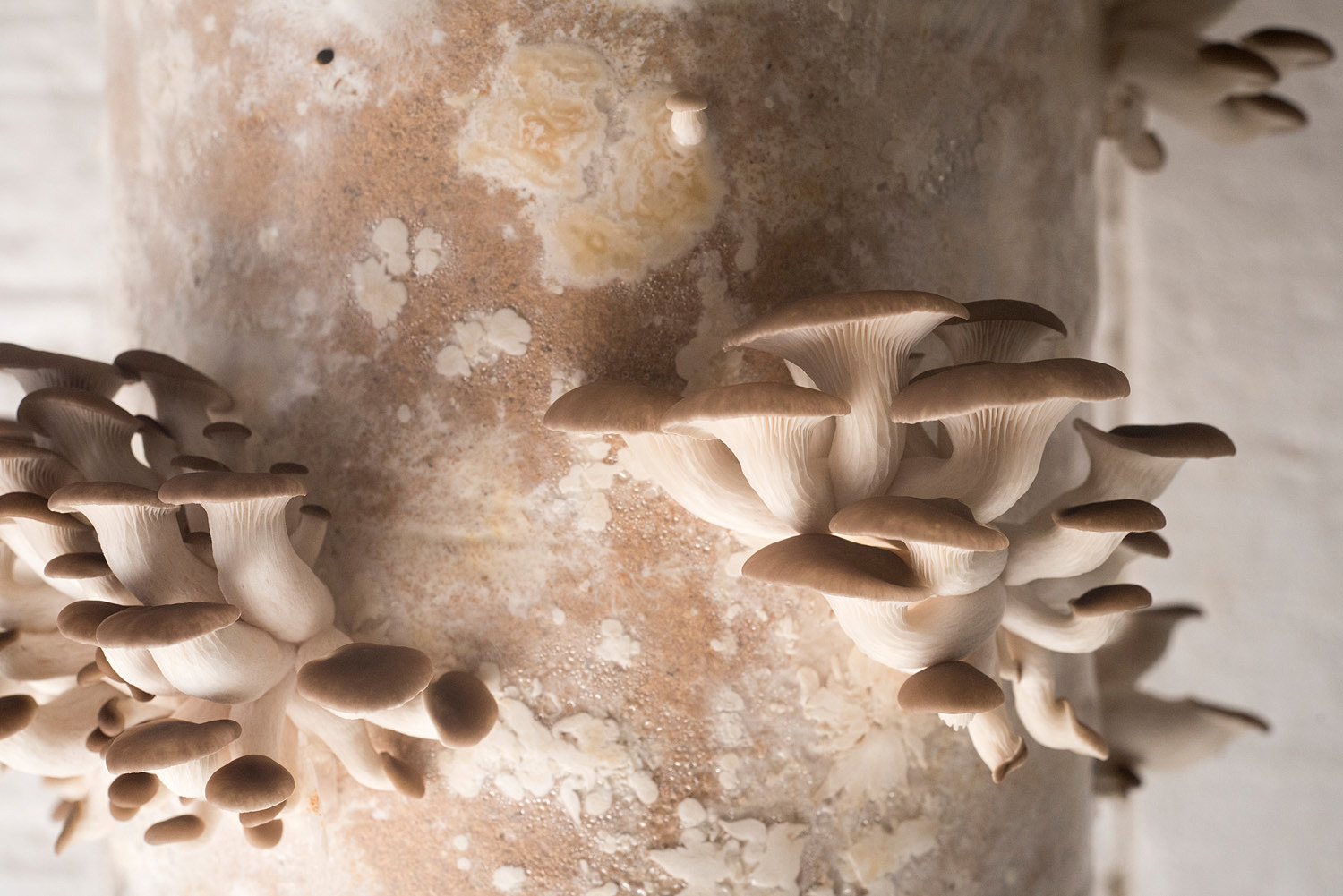
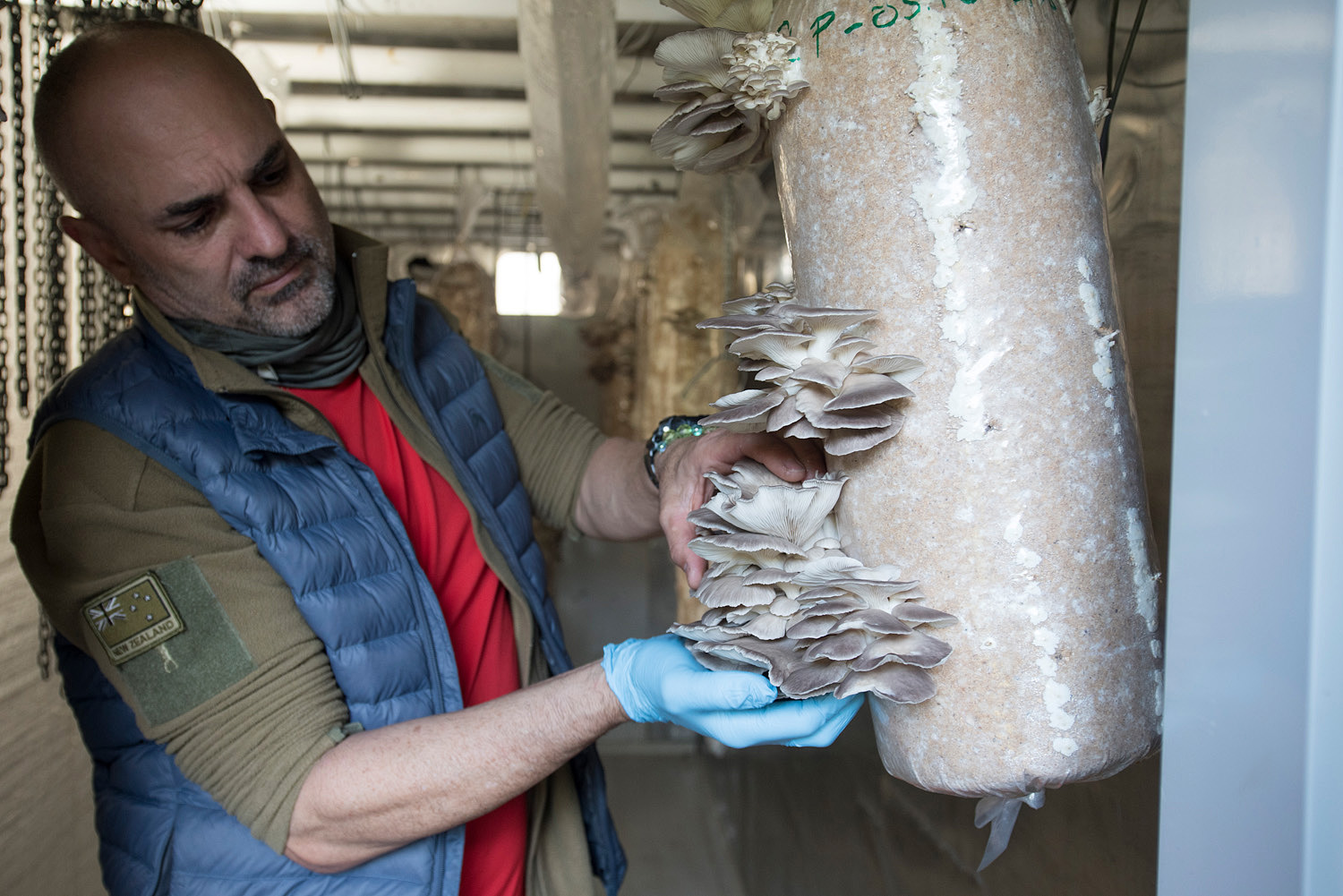
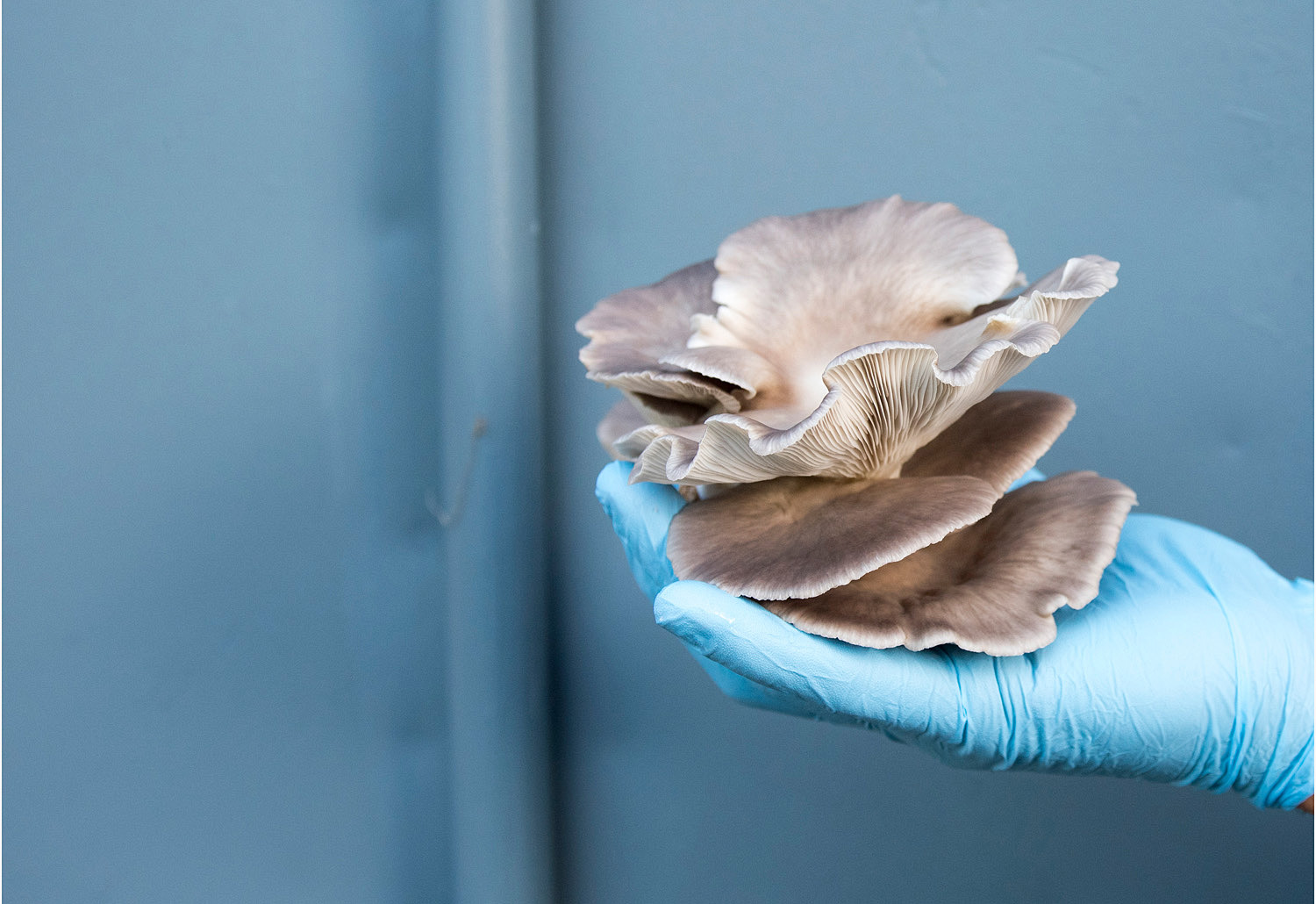
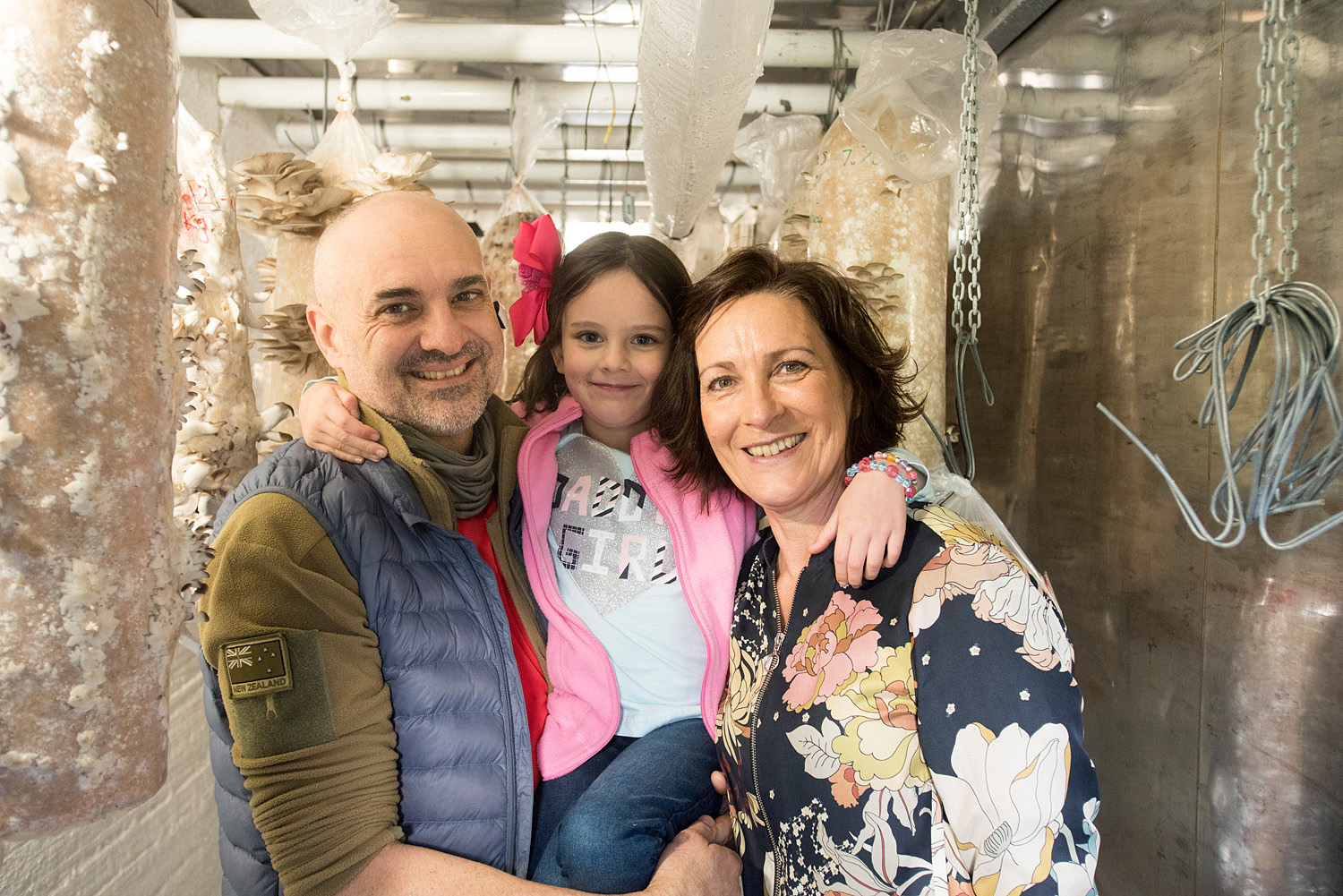
The fragile beauty of gourmet mushrooms is on display in a container parked up in Paraparaumu. Mushrooms are high in Vitamin B and D and also have high protein, making them a valuable food source for vegans and vegetarians. From Lindale Village, Jude Horrill and Brent Williams have begun harvesting phoenix, oyster and shiitake mushrooms under the name Lindale Gourmet Mushrooms. The operation currently produces 20Kg per week but a second container will allow the business to scale up to 50-60kg by August 2018. The couple are hoping to supply seven top end restaurants and has already signed on Wellington’s Ortega Fish Shack. The mushrooms are very popular at Te Horo and Paraparaumu markets and will soon be available at Wellington’s Harbour Side market each Sunday.
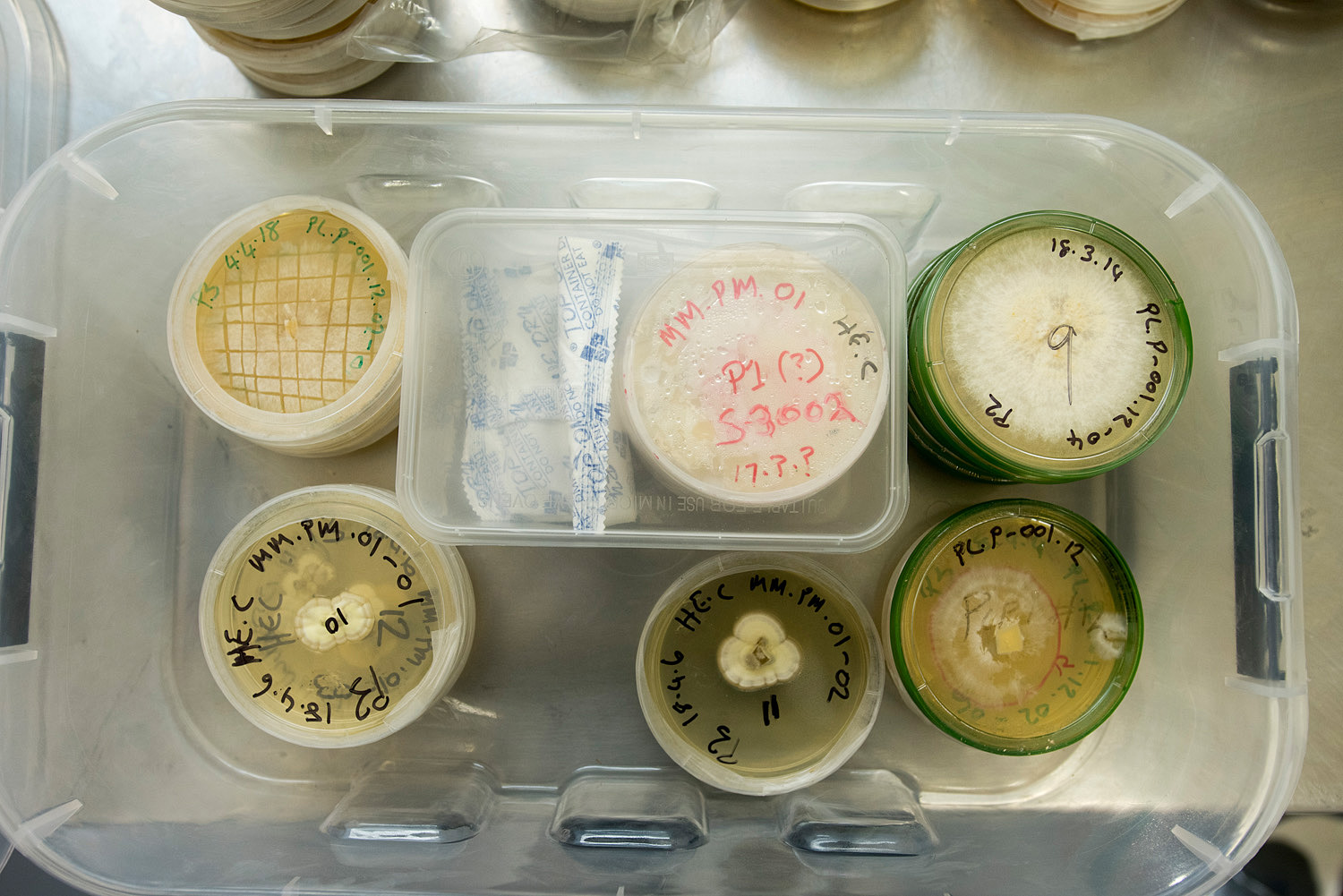
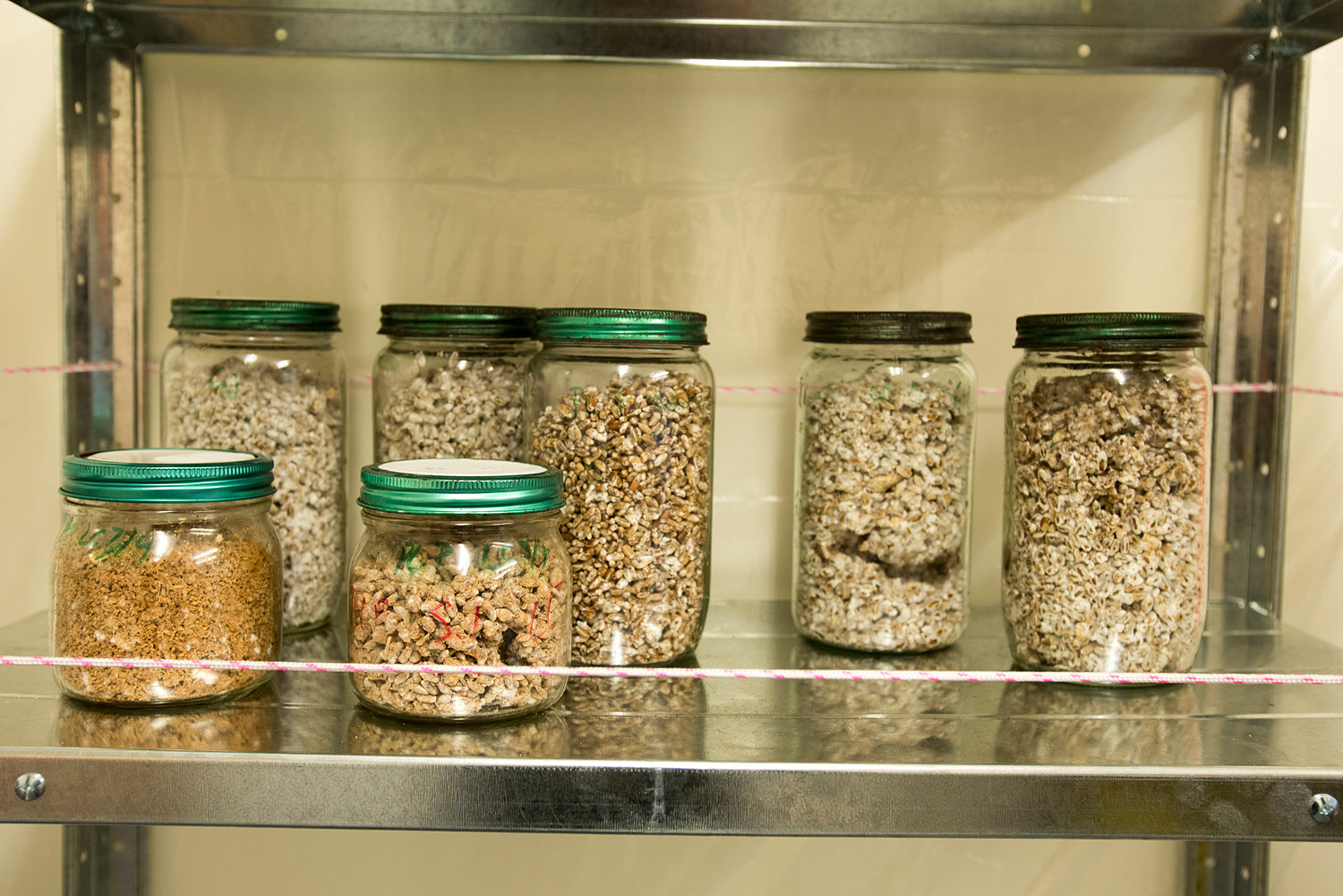
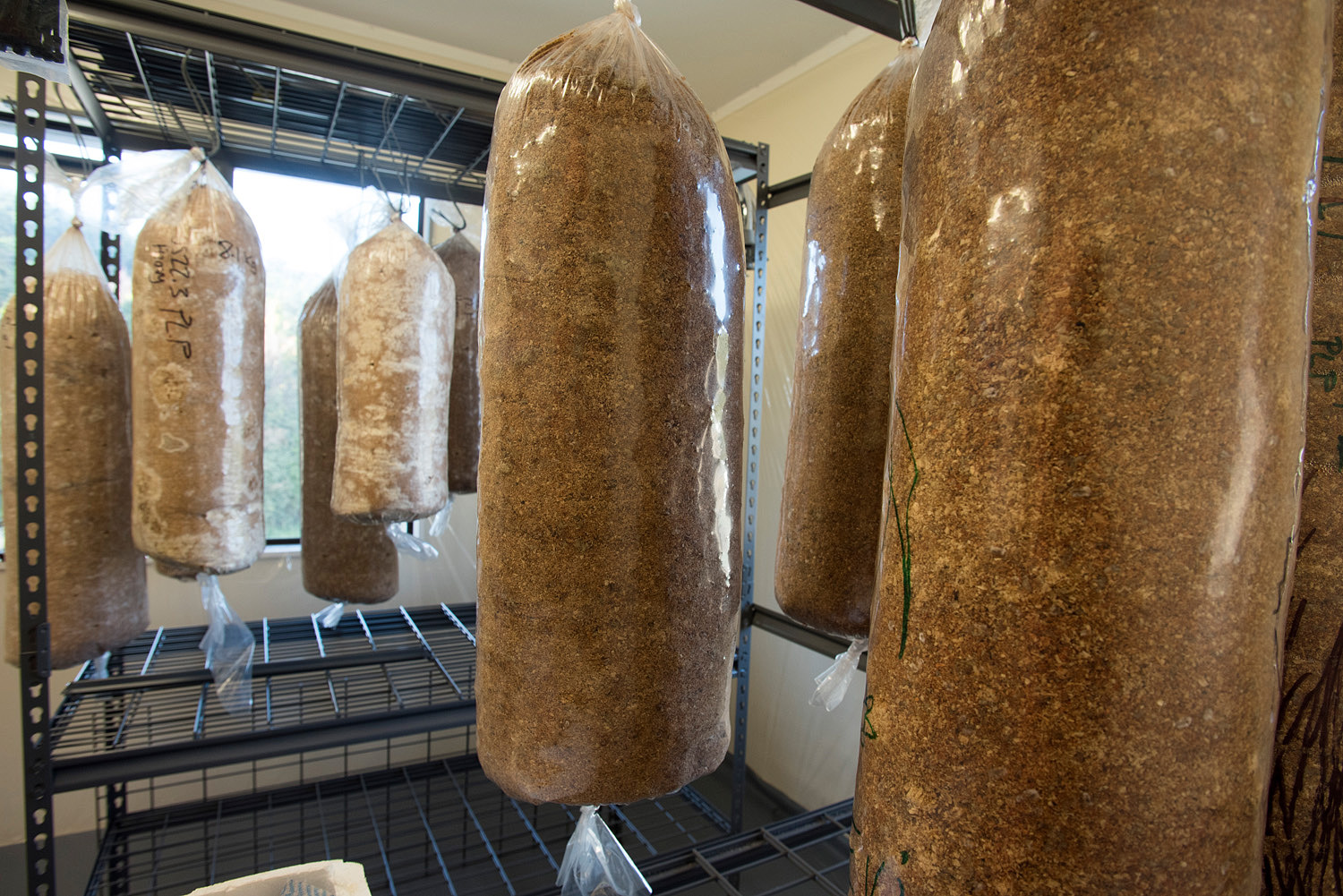
Mushrooms start life in a petri dish as mycelium before being transferred into jars of organic rye grain. Once the grain has been colonised by the mycelium it is transferred into bags containing oak and soy hull pellets. The mycelium is fooled into thinking the bags are oak trees and grows outward towards oxygen through tiny pin pricks in the bags. The bags are hung in a temperature and humidity controlled container, where the autumn like conditions cause the mushrooms to fruit. From the petri dish it takes about 10 weeks until harvest. For every kilo of dry substrate (the oak and soy) the operation presently produces 1.1kg of mushrooms and Williams thinks 1.5kg is possible. The bags can produce up to three harvests before the substrate is recycled into compost.
Lindale Gourmet Mushrooms is aiming to be sustainable and off grid and production has exceeded expectations.
Beer flag flies with National Flags | Murray Lloyd Photography

DBDraftbeer signsml
Tino Rangatira, New Zealand, Australia, United States..... and DB Draught? The inclusion suggests the brand sees itself as imparting national identity. I am not sure it will be in consideration for the intended NZ flag redesign.